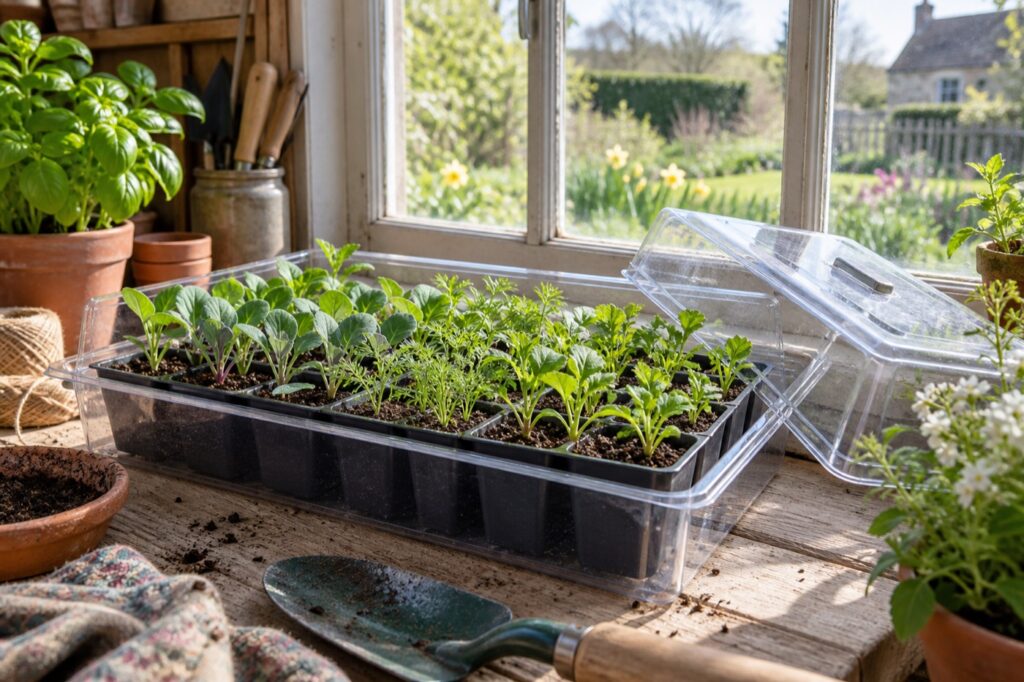
Protecting seedlings from slugs with practical non-chemical methods
Raise sturdy seedlings, check vulnerable plants and use targeted non-chemical methods. Copper and gritty barriers should not be relied on where garden trials found no protection.
Raise sturdy seedlings, check vulnerable plants and use targeted non-chemical methods. Copper and gritty barriers should not be relied on where garden trials found no protection.
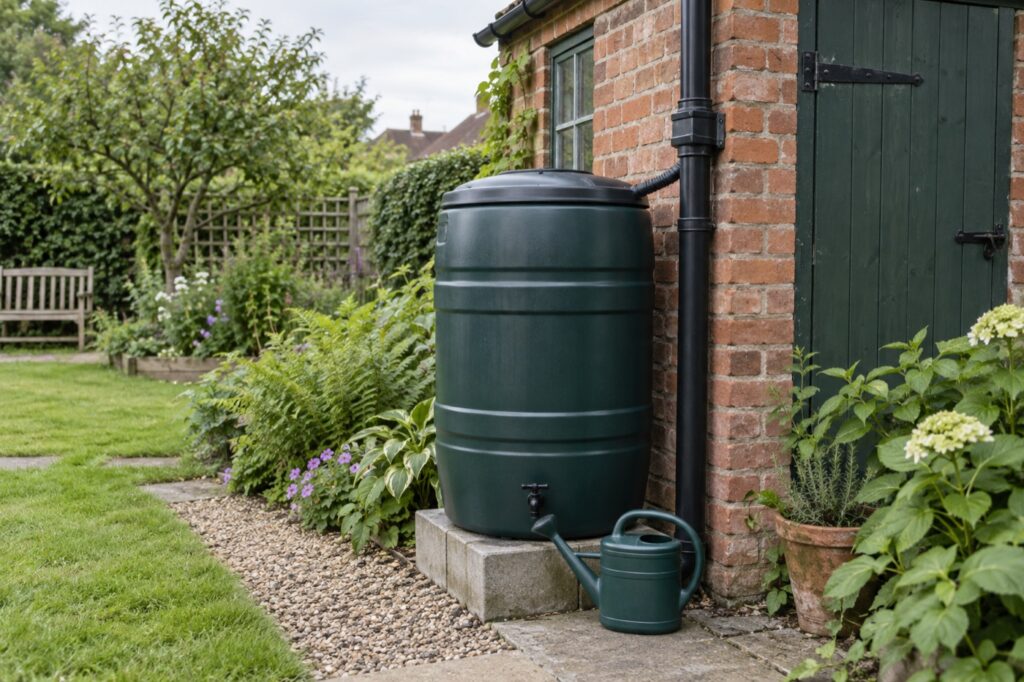
Rainwater is excellent for established edible crops, but stored water butt water can carry damping-off diseases that kill seedlings. Use mains water for seedlings, and keep butts clean, covered and filtered for safe watering of vegetables and fruit.
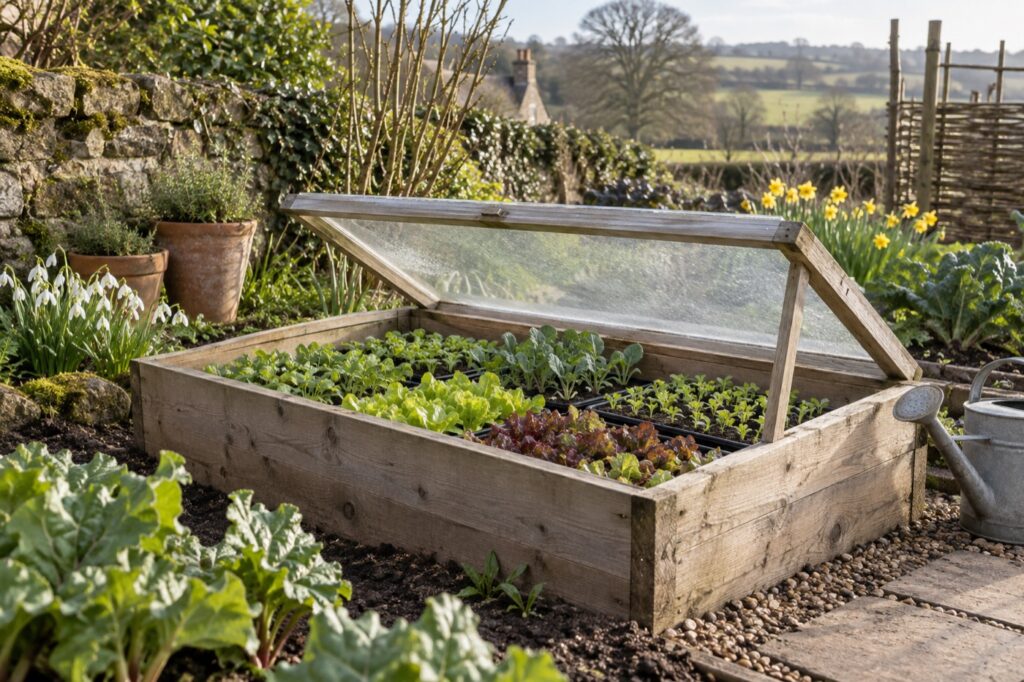
Adjust the cold-frame lid to weather, temperature and plant needs. Secure it against wind and remember that a closed lid cannot guarantee frost protection.

Compare canes and metal frames by their actual strength, condition and anchoring. A stout cane frame can be more suitable than a thin decorative metal obelisk.

Mulch only helps when applied at the right depth and kept away from stems. This guide explains the RHS-recommended 5–7.5cm biodegradable layer, the 10cm stem-free collar, and how to avoid burying low-growing plants or woody stems.
Hardening off is the essential process of acclimatising indoor seedlings to outdoor conditions over two to three weeks. This guide covers timing, methods using cold frames and fleece, and how to avoid frost damage.