

Bug hotels: choosing useful features and a suitable position
Choose habitat features for the animals you want to support. Solitary bee nesting tubes need different conditions from damp deadwood, and occupancy is never guaranteed.
Choose habitat features for the animals you want to support. Solitary bee nesting tubes need different conditions from damp deadwood, and occupancy is never guaranteed.

Raised bed width is not a fixed number. It depends on who will garden, whether you can reach from both sides, and the paths you need. RHS guidance suggests under 1.5m for adults, 1.2m for children, with paths at least 45cm wide.
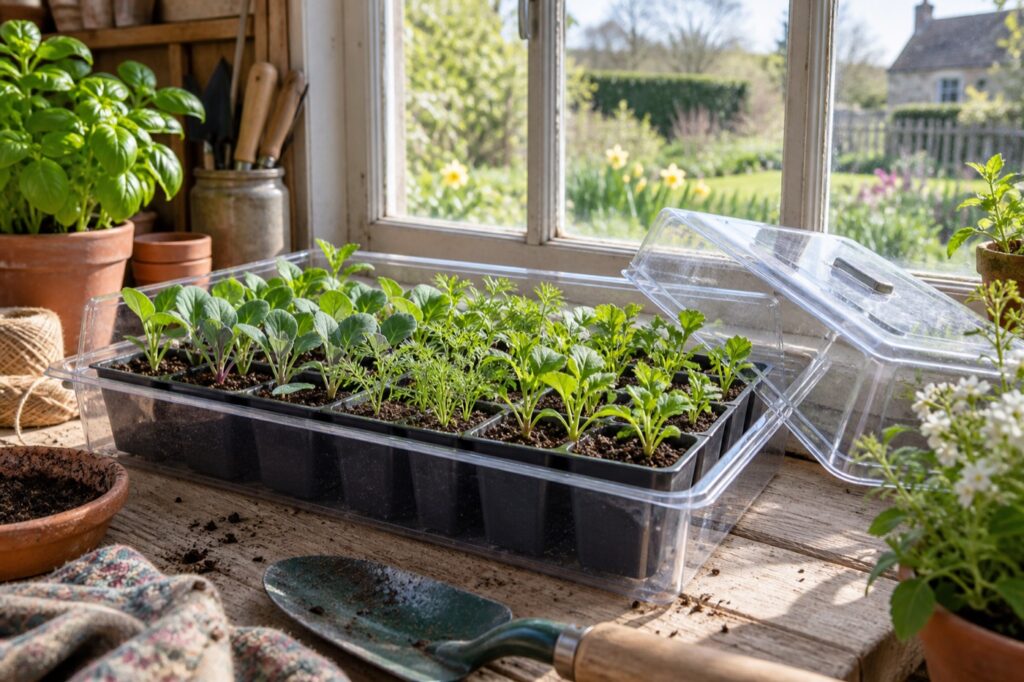
Slug barriers like copper tape and grit are popular, but scientific evidence shows limited success in real-world gardens. This guide explains how they work, why they often fail, and how to use them as part of a wider management strategy.
Building sleeper raised beds requires a balance of durable timber and ergonomic dimensions. This guide covers the best wood choices, ideal widths for accessibility, and how to calculate soil volume for various plant types.
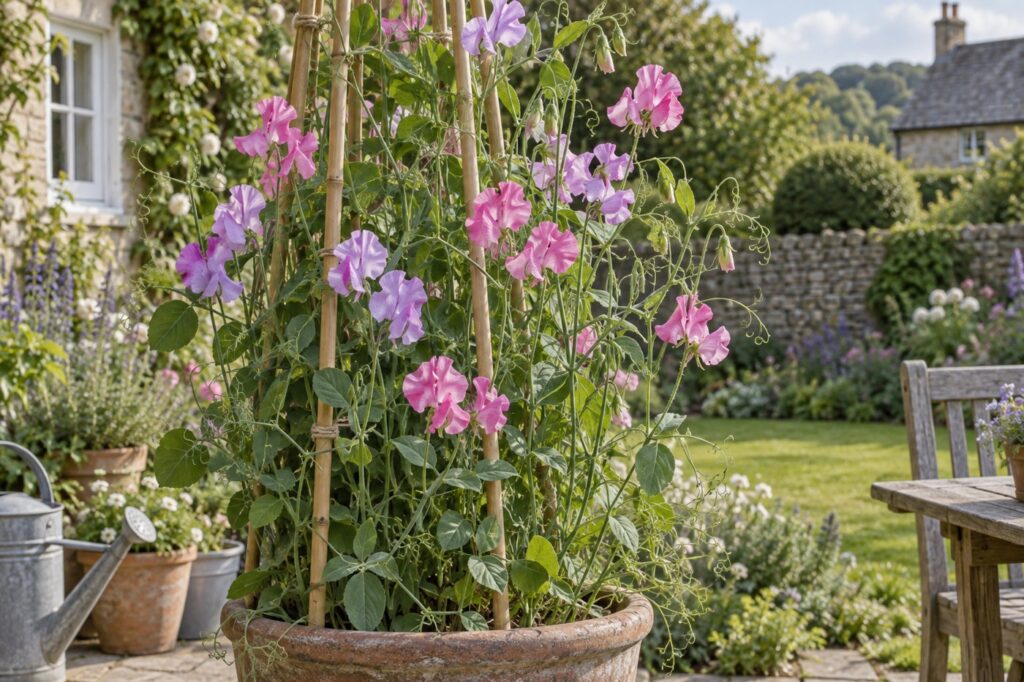
Grow tall, fragrant sweet peas in containers by using deep pots and sturdy supports. This guide covers everything from seed preparation and cordon training to essential feeding and spacing for patio success.
A sloping garden need not rule out raised beds. This guide explains how to plan level growing areas using terracing, cut-and-fill, retaining edges and drainage, drawing on RHS construction and water management advice for UK gardens.