Table of Contents
As an Amazon Associate, we earn from qualifying purchases. This means we may receive a small commission at no extra cost to you when you buy through links on this page.
Introduction: Why an Outdoor Bar is the Ultimate Garden Upgrade
The UK’s love affair with outdoor living shows no sign of slowing down. In 2026, gardens aren’t just patches of green; they’re extensions of our homes, designed for relaxation, entertainment, and creating lasting memories. At the heart of this trend is the outdoor bar, transforming back gardens across the nation into sociable hubs. An outdoor bar isn’t just about serving drinks; it’s about enhancing your lifestyle, potentially increasing your property value, and providing a dedicated space for socialising with friends and family.
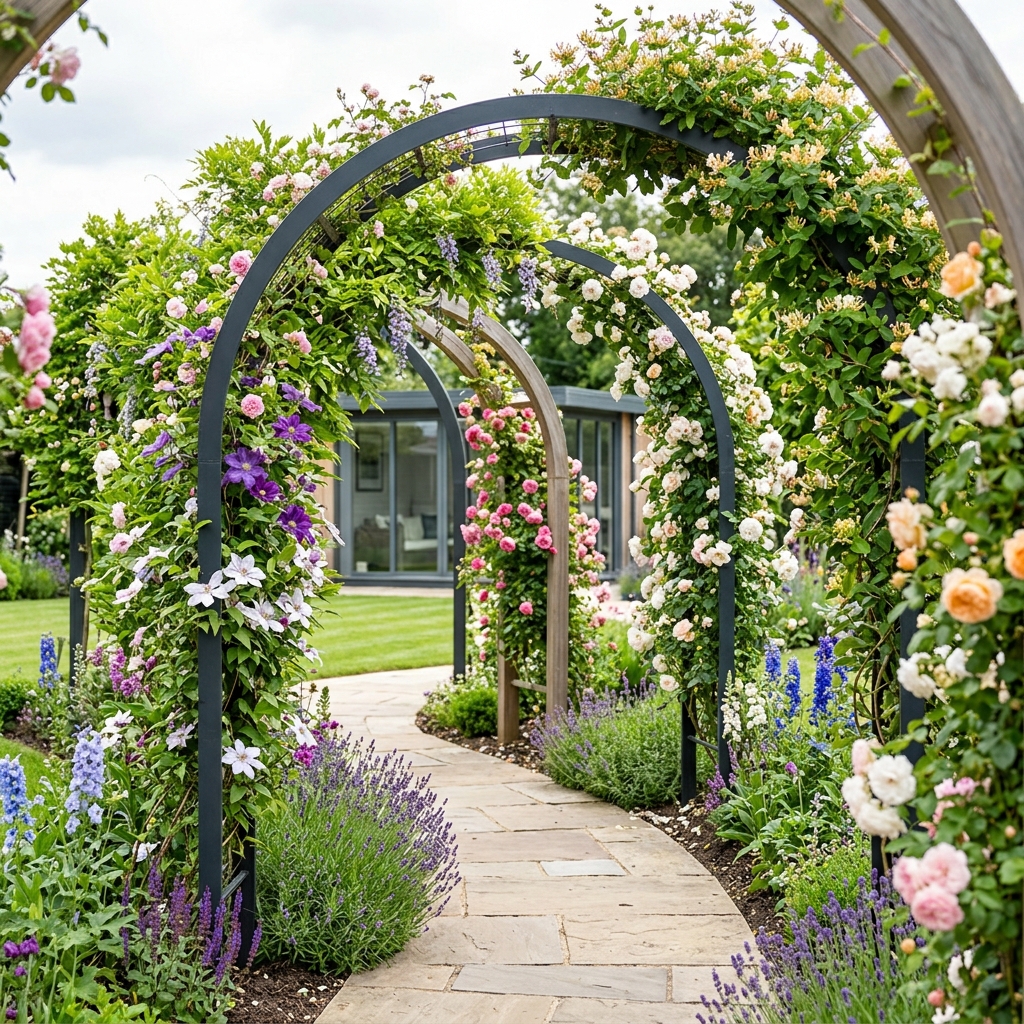
This year, we’re seeing a surge in ‘smart bar’ tech – think integrated sound systems controlled by voice assistants, refrigerators with built-in digital displays, and even automated cocktail mixers. The possibilities are endless, and this guide will take you through everything you need to know to create the perfect outdoor bar for your UK garden.
Types of Outdoor Bars: Finding the Right Fit for Your Space
Choosing the right type of outdoor bar depends on your garden size, style, budget, and DIY skills. Here’s a breakdown of the most popular options:
Portable Bars
These are ready-to-go solutions, ideal for smaller gardens or those who want flexibility. They often feature storage and a serving counter.
- Pros: Easy to set up, affordable, portable, require minimal assembly.
- Cons: Can look less permanent, limited customisation options, may be less durable.
Example: Argos Home Portable Outdoor Bar – £179.00
Built-in Bars
The most permanent and often most impressive option. Built-in bars are typically constructed from durable materials and can be fully customised.
- Pros: Durable, aesthetically pleasing, can be tailored to your exact needs, increases property value.
- Cons: Most expensive option, requires significant planning and potentially professional installation, can be difficult to modify.
Pallet Bars
A popular DIY option, utilising reclaimed wooden pallets. Offers a rustic and eco-friendly aesthetic.
- Pros: Affordable, sustainable, customisable, relatively easy to build with basic DIY skills.
- Cons: Requires sanding and treatment to protect against the elements, can be less durable than other options, may require more maintenance.
Repurposed Furniture Bars
Get creative and transform old furniture – a dresser, a sideboard, or even a vintage trolley – into a unique outdoor bar.
- Pros: Extremely affordable, unique, sustainable, adds character to your garden.
- Cons: May require significant renovation, durability depends on the original furniture, limited storage options.
Tiki Bars
Bring a tropical vibe to your garden with a Tiki bar, typically constructed from bamboo and featuring thatched roofing.
- Pros: Creates a fun and festive atmosphere, visually striking, relatively affordable.
- Cons: May not suit all garden styles, requires regular maintenance to prevent rot, susceptible to weather damage.
Materials Matter: Choosing Durable & Stylish Outdoor Bar Construction
The material you choose will significantly impact your bar’s longevity and aesthetic. Here’s a comparison:
| Material | Weather Resistance | Maintenance | Cost (approx. per square metre) | Sustainability |
|---|---|---|---|---|
| Teak | Excellent | Low (occasional oiling) | £150 – £250 | High (sustainably sourced) |
| Cedar | Good | Medium (regular sealing) | £80 – £150 | Medium (sustainably sourced) |
| Pressure-Treated Pine | Moderate | High (annual staining/sealing) | £40 – £80 | Low to Medium (depending on treatment) |
| Stainless Steel | Excellent | Low | £100 – £200 | High (recyclable) |
| Aluminium | Excellent | Low | £70 – £150 | High (recyclable) |
| Composite Materials | Excellent | Very Low | £90 – £180 | Medium (often made from recycled materials) |
| Stone | Excellent | Low | £120 – £300+ | Medium to High (depending on sourcing) |
Planning & Design: Creating Your Dream Outdoor Bar Layout
Careful planning is crucial. Consider these factors:
- Location: Balance sun exposure with shade. Proximity to the house is convenient for access to plumbing and electricity.
- Size: Match the bar’s size to your garden and anticipated number of guests.
- Shape: Straight bars are space-efficient, while curved bars create a more sociable atmosphere.
- Counter Height: Standard bar height is around 110cm, but lower counters (90cm) are more comfortable for casual use.
- Seating: Allow ample space for bar stools or benches.
- Storage: Include shelves, cabinets, or drawers for glasses, bottles, and bar accessories.
- Plumbing: A sink is a luxurious addition, but requires a water supply and drainage.
- Electrical: Essential for refrigerators, ice makers, and lighting. Ensure all electrical work is carried out by a qualified electrician.
Essential Outdoor Bar Accessories for 2026
Elevate your outdoor bar with these must-have accessories:
- Outdoor Fridge: Keter Cool Bar Outdoor Bar and Storage Cabinet – £249.99 – Keeps drinks chilled and accessible.
- Ice Maker: Essential for cocktails, especially during warmer months.
- Blender: Swan Retro Ice Cream Maker (also great for cocktails!) – £69.99
- Cocktail Making Set: A complete set with shakers, strainers, and jiggers.
- Glassware: Invest in durable, outdoor-friendly glasses.
- Lighting: Festive Lights LED Outdoor String Lights – £35.00 – Create ambiance with solar-powered or LED lights.
- Weatherproof Speakers: Connect to your smartphone for music.
- Outdoor Heater: VonHaus Outdoor Patio Heater – £129.99 – Extend your outdoor bar season with a patio heater.
- Bar Stools: Choose comfortable and stylish stools that complement your bar’s design.
- Umbrellas/Awnings: Provide shade and protection from the rain.
Cost Breakdown: How Much Does an Outdoor Bar Really Cost?
Here’s a rough estimate:
- Low Budget (DIY Pallet Bar): £100 – £300 (materials only)
- Medium Budget (Portable Bar & Accessories): £400 – £800 (bar + fridge + basic accessories)
- High Budget (Built-in Bar with Plumbing/Electrical): £1500+ (materials, labour, accessories)
Remember to factor in potential installation costs for plumbing and electrical work.
UK Regulations & Considerations: Planning Permission & Safety
Generally, a simple portable outdoor bar doesn’t require planning permission. However, if you’re building a permanent structure exceeding 4m in height or covering more than 30m² of your garden, you may need to apply for planning permission. Check with your local council for specific regulations.
Safety Considerations:
- Electrical Safety: Ensure all electrical work is carried out by a qualified electrician and complies with UK safety standards. Use weather-resistant outdoor sockets and cables.
- Fire Safety: Keep flammable materials away from heaters and barbecues. Weber Q 1400 Electric BBQ – £199.00 is a safer alternative to gas or charcoal.
- Slip Resistance: Use non-slip flooring around the bar area.
- Responsible Alcohol Consumption: Promote responsible drinking and provide non-alcoholic options.
Outdoor Bar Styling & Decor: Creating the Perfect Atmosphere
Transform your outdoor bar into a stylish retreat with these tips:
- Lighting: Use string lights, lanterns, and spotlights to create a warm and inviting glow.
- Plants: Add potted plants and flowers to bring life and colour to the area.
- Decorations: Choose decorations that match your chosen theme (tropical, rustic, modern).
- Themes: Consider a specific theme, such as a Tiki bar, a Mediterranean terrace, or a retro diner.
- Textiles: Add cushions and throws to create a cosy and comfortable seating area.
Maintaining Your Outdoor Bar: Keeping It Looking Its Best
Regular maintenance is key to extending your bar’s lifespan:
- Wood: Clean regularly with a mild detergent and re-seal annually.
- Metal: Clean with a metal polish to prevent rust.
- Composite: Wipe clean with soap and water.
- Winter Storage: Cover your bar during the winter months to protect it from the elements. Store portable bars indoors if possible.
Conclusion: Enjoying Your Outdoor Oasis
An outdoor bar is more than just a place to serve drinks; it’s an investment in your lifestyle, creating a space for relaxation, entertainment, and creating cherished memories. With careful planning, material selection, and accessorising, you can transform your UK garden into the ultimate outdoor oasis. So, raise a glass to good times and enjoy your new outdoor bar!
FAQ
1. Do I need planning permission for an outdoor bar?
Generally, no, for simple portable bars. However, a permanent structure exceeding 4m in height or 30m² in area likely requires permission. Check with your local council.
2. What’s the best material for an outdoor bar in the UK climate?
Teak is an excellent choice due to its natural weather resistance. Stainless steel and composite materials are also good options.
3. How much should I budget for an outdoor bar?
Budget can range from £100 for a simple DIY pallet bar to £1500+ for a fully built-in bar with plumbing and electrical work.
4. What are the safety considerations for an outdoor bar?
Electrical safety is paramount. Use weather-resistant sockets and qualified electricians. Also, consider fire safety, slip resistance, and promote responsible alcohol consumption.
5. How can I protect my outdoor bar during the winter months?
Cover your bar to protect it from the elements. Store portable bars indoors if possible. Regularly inspect and treat wooden bars to prevent rot.