
Table of Contents
Introduction: Why Prune Roses?
Roses, the queens of the British garden, require regular pruning to thrive. Pruning isn’t just about aesthetics; it’s fundamental to their health and bloom production. A well-pruned rose bush enjoys improved air circulation, reducing the risk of fungal diseases like black spot and rust. Pruning also encourages vigorous new growth, which in turn produces more flowers. Furthermore, shaping your roses through pruning allows you to maintain their desired form and size, fitting them perfectly into your garden design.
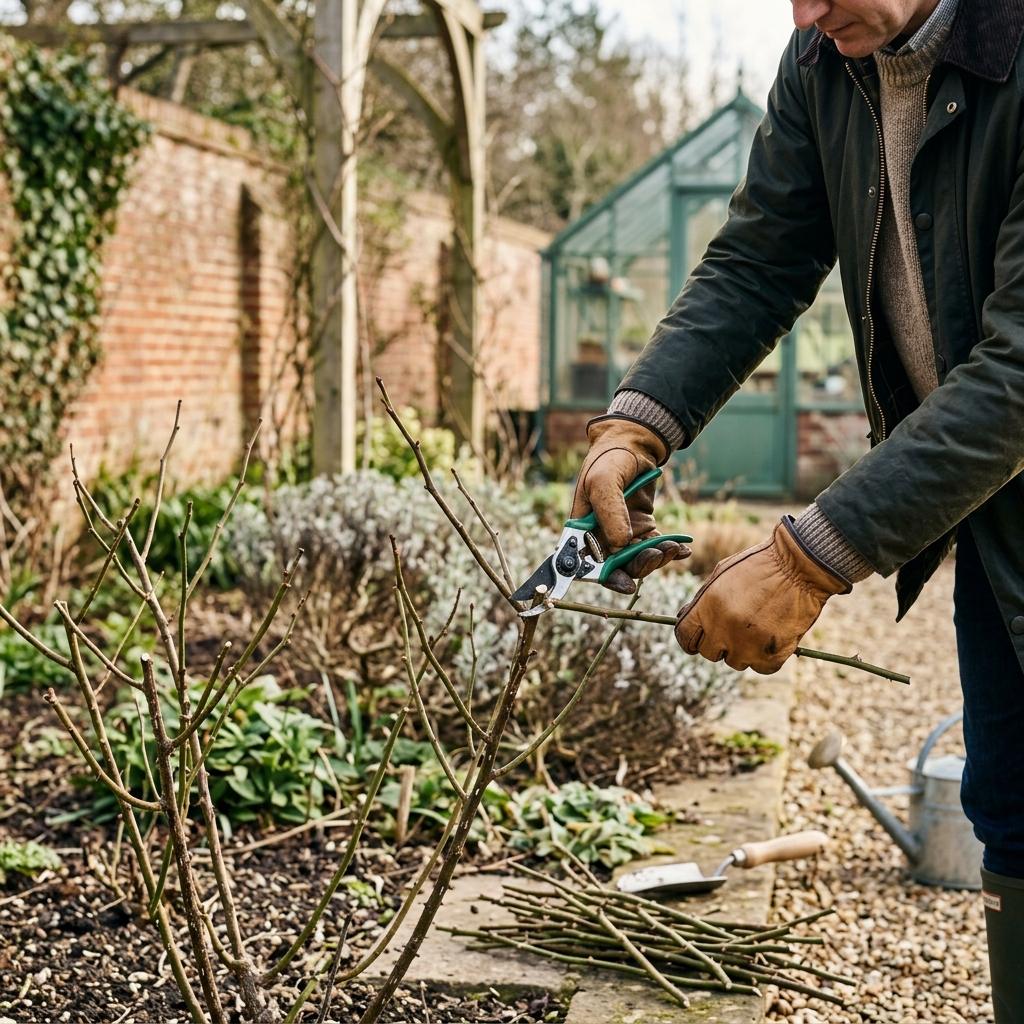
However, not all roses are created equal! The method of pruning differs significantly depending on the rose type. This guide will cover the specific techniques for Hybrid Tea, Floribunda, Climbing, Rambling, and Shrub roses, ensuring you give each type the care it needs.
When to Prune Roses in the UK
The best time to prune roses in the UK generally falls between late winter and early spring – typically February to March. This is when the risk of severe frosts has passed, but the rose is still dormant. However, there are nuances:
- Hybrid Tea & Floribunda: Prune hard during late winter/early spring.
- Climbing Roses: Prune in late winter/early spring after flowering.
- Rambling Roses: Prune immediately after flowering in summer. They flower on old wood.
- Shrub Roses: Can be pruned in late winter/early spring, but often require less severe pruning than Hybrid Teas.
Winter Pruning vs. Deadheading: Winter pruning is a more significant undertaking, focusing on shaping the plant and removing older growth. Deadheading, on the other hand, is the removal of spent blooms throughout the growing season. Deadheading encourages the plant to produce more flowers rather than putting energy into seed production. Do this regularly from spring to autumn.
Essential Tools for Rose Pruning
Having the right tools makes pruning significantly easier and safer. Here’s a list of essentials:
- Secateurs: Essential for cutting stems up to roughly 1.5cm in diameter. Bypass secateurs (where the blades pass each other like scissors) are preferred over anvil secateurs (where a blade closes onto a flat surface) as they create a cleaner cut, less likely to damage the stem.
- Loppers: For thicker branches (up to 5cm diameter). These provide greater leverage.
- Pruning Saw: For very thick, old wood that loppers can’t handle.
- Gardening Gloves: Protect your hands from thorns!
- Protective Eyewear: To shield your eyes from flying debris.
Tool Comparison (2026 Prices)
| Product | Type | Price (GBP) | Features |
|---|---|---|---|
| Fiskars P24 Bypass Secateurs | Secateurs | 29.99 | Durable, comfortable grip, clean cuts. |
| Wilko Loppers | Loppers | 22.50 | Good value for money, suitable for most rose varieties. |
| Gardena Pruning Saw | Saw | 35.00 | High-quality blade, comfortable handle, ideal for thick branches. |
| Briers Gardening Gloves | Gloves | 15.00 | Durable leather, thorn-proof, comfortable fit. |
Understanding Rose Anatomy for Pruning
Before you start snipping, understanding rose anatomy is crucial. Key terms include:
- Buds: The points where new growth will emerge. Look for outward-facing buds – cutting just above these will encourage growth outwards, creating an open centre. Avoid cutting above inward-facing buds, which can lead to congested growth.
- Stems: The main branches of the rose bush.
- Nodes: The points on the stem where leaves or buds emerge.
- Old Wood: Brown, woody stems that have been growing for several years.
- New Wood: Green, flexible stems that have grown in the current season.
Pruning Hybrid Tea Roses
Hybrid Tea roses are known for their large, classic blooms. Pruning focuses on maximising flower production on new wood.
- Remove Dead, Diseased, or Damaged Wood: Cut back to healthy wood, making the cut at a 45-degree angle about 5mm above a healthy bud.
- Remove Crossing or Rubbing Branches: These can cause damage and create entry points for disease.
- Reduce to 3-5 Strong Canes: Choose healthy, vigorous canes and remove the rest.
- Prune Remaining Canes to 15-20cm: This encourages strong new growth and large blooms. Cut to an outward-facing bud.
Pruning Floribunda Roses
Floribunda roses produce clusters of flowers. They require a lighter pruning than Hybrid Teas.
- Remove Dead, Diseased, or Damaged Wood: As with Hybrid Teas.
- Remove Crossing or Rubbing Branches: As with Hybrid Teas.
- Reduce Height by Approximately One-Third: Cut back to outward-facing buds.
- Leave More Canes than with Hybrid Teas: Aim for 5-8 strong canes.
Pruning Climbing Roses
Climbing roses require training and pruning to maintain their shape and encourage flowering.
- Year 1 (Establishing): Focus on training the main stems horizontally. This encourages side shoot development, which is where the flowers will appear.
- Year 2 Onwards (Late Winter/Early Spring): Remove dead, diseased, or weak growth.
- Tie in New Growth: Secure new shoots to supports (walls, fences, arches).
- Remove Old, Unproductive Canes: Gradually remove the oldest canes to encourage new growth.
- Shorten Side Shoots: Cut back side shoots to 2-3 buds.
Pruning Rambling Roses
Rambling roses flower on old wood, so pruning is different from climbers.
- Prune Immediately After Flowering: This is crucial!
- Remove Old, Flowered Canes: Cut these back to the base.
- Thin Out Remaining Canes: Remove about one-third of the remaining canes to encourage new growth.
- Shorten Long Shoots: Reduce overly long shoots to maintain shape.
Pruning Shrub Roses
Shrub roses, including David Austin (English) roses, are generally quite forgiving.
- Remove Dead, Diseased, or Damaged Wood: As with other rose types.
- Lightly Shape the Bush: Remove any crossing or rubbing branches.
- Reduce Height if Necessary: If the bush is becoming too large, reduce its height by one-third.
- Maintain a Natural Shape: Shrub roses typically look best with a more natural, less formal shape.
Deadheading Roses: Encouraging Continuous Blooms
Deadheading is the removal of spent blooms. It prevents the plant from putting energy into seed production and encourages further flowering.
- Hybrid Tea & Floribunda: Cut the stem back to the first five-leaflet leaf below the spent flower.
- Climbing & Rambling: Cut back the flowering stem to a strong side shoot.
- Shrub Roses: Remove the spent bloom and a small portion of the stem.
Rose Pruning Mistakes to Avoid
Don’t let these common errors ruin your rose pruning efforts:
- Making Incorrect Cuts: Always cut at a 45-degree angle, about 5mm above a bud.
- Using Dull Tools: Dull tools crush stems, increasing the risk of disease.
- Pruning at the Wrong Time: Follow the guidelines for each rose type.
- Leaving Stubs: Stubs can become entry points for disease.
- Being Afraid to Prune: Roses are resilient and benefit from regular pruning.
Rose Aftercare: Feeding and Protection
After pruning, give your roses a boost!
- Feeding: Apply a rose fertilizer in spring to encourage growth and flowering.
- Pest & Disease Control: Monitor for common pests like aphids and diseases like black spot. Treat as needed with appropriate products.
- Mulching: Apply a layer of mulch around the base of the plant to retain moisture and suppress weeds.
Recommended Products (2026 Prices)
| Product | Type | Price (GBP) | Features |
|---|---|---|---|
| Miracle-Gro Rose & Shrub Feed | Fertilizer | 8.99 | Provides essential nutrients for healthy growth and abundant blooms. |
| Westland Rose Guard | Disease Control | 12.00 | Protects against black spot, rust, and other common rose diseases. |
FAQ
Q: When is the absolute latest I can prune my Hybrid Tea roses?
Ideally, you should prune before the end of March. However, if you miss this window, it’s better to prune a little late than not at all. Just be aware you might sacrifice some of the earliest blooms.
Q: My climbing rose is growing all over my neighbour’s fence. Can I prune it back without causing problems?
You can prune it back to the boundary line, but it’s best to discuss it with your neighbour first for a friendly approach. Avoid cutting it back severely all at once; do it gradually over a few seasons.
Q: How do I know if a cane is dead?
Dead canes are usually brittle and brown. Scratch the bark – if it’s green underneath, the cane is still alive. If it’s brown and dry, it’s dead.
Q: I’ve recently moved house and the roses are very overgrown. Should I attempt a heavy prune?
A heavy prune is okay, but it’s best to do it over two years. Remove about one-third of the oldest wood in the first year, and then the remaining two-thirds in the second year. This will minimize shock to the plant.
Q: Is there anything I can do to help roses recover from a particularly harsh winter?
After a harsh winter, remove any damaged or dead wood. Apply a rose fertilizer to give them a boost. Mulching around the base of the plant will also help retain moisture and protect the roots.