
Table of Contents
As an Amazon Associate, we earn from qualifying purchases. This means we may receive a small commission at no extra cost to you when you buy through links on this page.
Introduction: The Allure of Lavender in the UK Garden
Lavender. The very word conjures images of sun-drenched Provence, but this fragrant herb thrives surprisingly well in the UK. Beloved for its calming scent, beautiful purple blooms, and ability to attract pollinators like bees and butterflies, lavender is a staple in many British gardens. It’s not just aesthetically pleasing; lavender is also wonderfully versatile – perfect for everything from aromatherapy and culinary uses to creating stunning floral displays. This comprehensive guide will take you through everything you need to know to successfully grow lavender in the UK, from choosing the right variety to harvesting and enjoying your home-grown bounty.
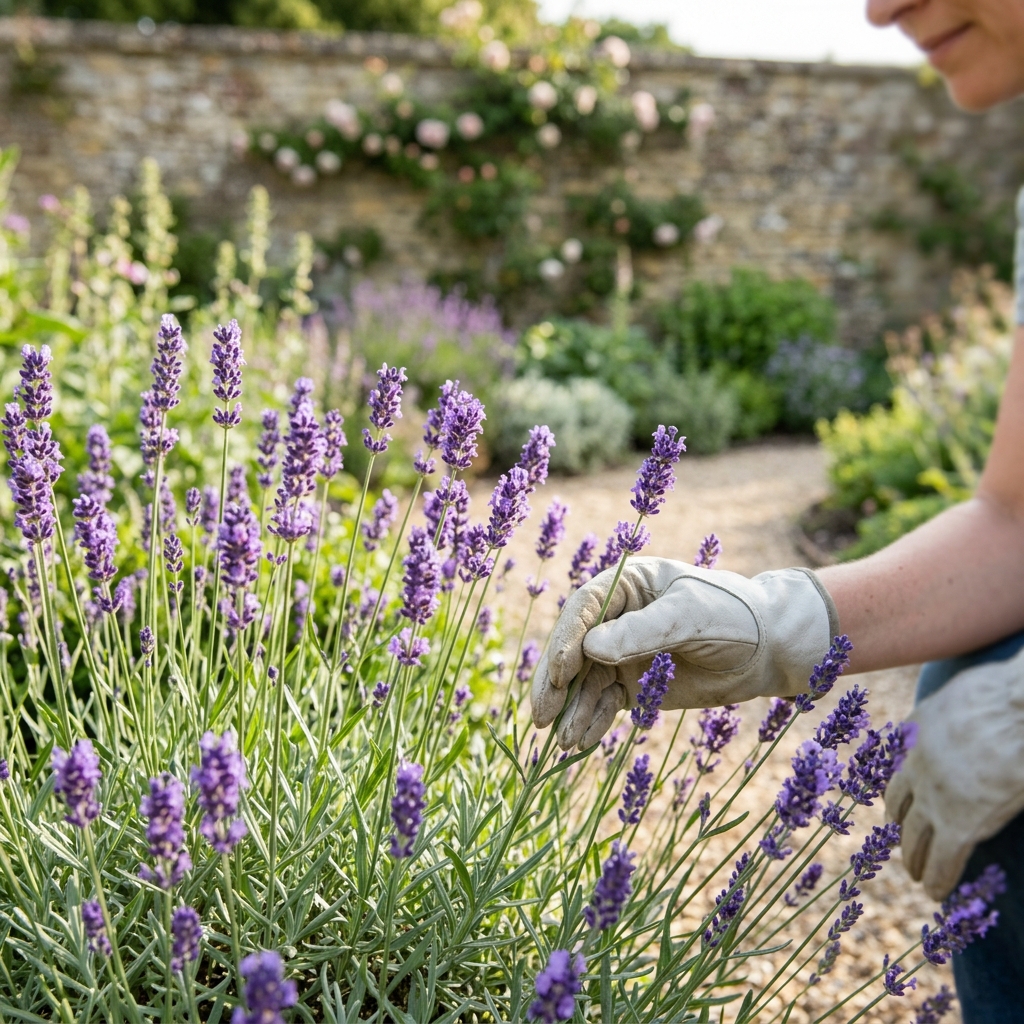
Choosing the Right Lavender Variety for the UK Climate
Not all lavender is created equal! Different varieties have varying levels of hardiness and suitability for the UK climate. Here’s a breakdown of the main types:
English Lavender (Lavandula angustifolia)
This is generally the most reliable choice for the UK, known for its strong fragrance and tolerance of cooler temperatures. It’s hardy across most of the UK, including colder regions. Cultivars like ‘Munstead’ and ‘Hidcote’ are particularly popular.
French Lavender (Lavandula dentata)
Easily identified by its toothed leaves, French lavender is less hardy than English lavender and prefers warmer, drier conditions. It’s best suited to the milder parts of the UK, like the south coast. It has a slightly different, more camphoraceous scent.
Lavandin (Lavandula x intermedia)
A hybrid between English and Spike lavender, Lavandin is known for its larger size and higher oil content. ‘Provence’ is a well-known cultivar. While generally hardy, it can be susceptible to winter wet, so good drainage is crucial.
Here’s a quick comparison:
| Variety | Hardiness | Fragrance | Size | UK Suitability |
|---|---|---|---|---|
| English Lavender (Lavandula angustifolia) | Very Hardy | Classic Lavender Scent | Compact (60-90cm) | Excellent – Widely Suitable |
| French Lavender (Lavandula dentata) | Moderately Hardy | Camphoraceous | Larger (90-120cm) | Suitable for Mild Regions |
| Lavandin (Lavandula x intermedia) | Hardy | Strong Lavender Scent | Large (90-150cm) | Good with Excellent Drainage |
Understanding UK Soil & Sunlight Requirements for Lavender
Lavender is notoriously fussy about its growing conditions. Getting these right is essential for success.
Soil
Lavender demands well-drained soil. Heavy clay soils are its nemesis! The ideal soil is slightly alkaline (pH 6.5-8). If your soil is acidic, you can amend it with lime. Adding grit or horticultural sand will improve drainage. Lavender doesn’t appreciate rich, fertile soil – in fact, too much fertility can lead to leggy growth and reduced flowering.
Addressing Clay Soil: If you have clay soil, incorporate plenty of organic matter (well-rotted compost) and grit. Consider growing lavender in raised beds or containers. The Miracle-Gro Alkaline Soil Booster (£9.99) can help adjust the pH.
Sunlight
Full sun is non-negotiable. Lavender needs at least 6-8 hours of direct sunlight per day. Insufficient sunlight will result in weak growth and poor flowering. A south-facing position is ideal, but east or west-facing can also work if they receive enough sun.
Planting Lavender: From Seed to Established Plant
You can grow lavender from seed, but it’s a slow process and can be challenging.
From Seed
Sow lavender seeds in spring (March-April) in seed trays filled with seed compost. Surface sow the seeds (don’t cover them) and keep the compost moist. Germination can be erratic and take several weeks. Prick out the seedlings once they’re large enough to handle and grow them on before planting out in their final position.
Established Plants
Buying established plants is the easiest and most reliable method. Choose healthy-looking plants from a reputable garden centre. ‘Munstead’ plants are readily available for around £8.50. Plant in spring or autumn, spacing plants 60-90cm apart depending on the variety. Dig a hole slightly larger than the root ball, gently loosen the roots, and plant at the same depth as they were in the pot. Water well after planting.
Lavender Care: Watering, Feeding & Pruning in the UK
Watering
Lavender prefers dry conditions. Overwatering is a common mistake that can lead to root rot. Water sparingly, only when the soil is dry to the touch. Established plants are quite drought-tolerant.
Feeding
Lavender doesn’t require heavy feeding. A light application of a low-nitrogen fertiliser in spring can be beneficial. The Westland Lavender Plant Food (£7.99) or Vitax Alpine & Lavender Feed (£6.49) are both suitable options. Avoid high-nitrogen fertilisers, as they encourage leafy growth at the expense of flowers.
Pruning
Pruning is crucial for maintaining the shape and vigour of your lavender plants. Prune after flowering, removing the spent flower heads and shaping the plant. For older plants, a more severe pruning can be done in early spring, cutting back to about 15-20cm. Use sharp pruning shears like the Gardman Lavender Pruning Shears (£19.99) for a clean cut.
Winter Care
While generally hardy, young plants may benefit from some winter protection, especially in colder regions. Mulch around the base of the plant with gravel or horticultural grit to improve drainage and protect the roots. Avoid heavy mulches that retain moisture.
Pest & Disease Control for Lavender in the UK
Lavender is relatively pest and disease-resistant, but problems can occur.
Common Issues
- Lavender Root Rot: Caused by overwatering and poor drainage. Prevent by ensuring well-drained soil.
- Aphids: Can infest young shoots. Control with a strong jet of water or insecticidal soap.
- Grey Mould: Can affect flowers in damp conditions. Improve air circulation and remove affected flowers.
Prevention is key! Ensure good air circulation and avoid overcrowding plants.
Harvesting Lavender: When & How to Cut for Maximum Fragrance
The best time to harvest lavender is on a dry, sunny day, just before the flowers are fully open. Cut the stems in the morning, when the oil content is highest. Cut the stems long, leaving plenty of foliage. Tie the stems into bundles and hang them upside down in a dark, dry, well-ventilated place to dry. Once dry, the flowers can be used for potpourri, sachets, or essential oils.
Using Lavender in Your Garden & Home
Lavender is a versatile plant with many uses:
- Borders & Hedges: Lavender makes a beautiful and fragrant border or low hedge.
- Companion Planting: Lavender repels moths and other pests, making it a good companion plant for roses and other flowering shrubs.
- Potpourri & Sachets: Dried lavender flowers are perfect for making potpourri and sachets.
- Aromatherapy: Lavender essential oil is known for its calming properties.
- Cooking: Lavender flowers can be used to flavour cakes, biscuits, and other desserts (use sparingly!).
Troubleshooting Common Lavender Growing Problems in the UK
Here are some common issues and how to fix them:
- Leggy Growth: Often caused by insufficient sunlight or over-fertilising. Prune back hard in spring and ensure the plant receives plenty of sun.
- Lack of Flowers: Can be due to insufficient sunlight, over-fertilising, or improper pruning.
- Winter Dieback: Young plants or those in exposed locations may suffer winter dieback. Protect with mulch and consider a sheltered location.
FAQ
Q: What is the best time of year to plant lavender in the UK?
Spring (March-May) or autumn (September-October) are the best times to plant lavender in the UK. Spring allows the plant to establish before the summer heat, while autumn gives it time to root before winter.
Q: How often should I water lavender?
Lavender prefers dry conditions. Water sparingly, only when the soil is dry to the touch. Overwatering can lead to root rot.
Q: Does lavender need pruning?
Yes, pruning is essential for maintaining the shape, vigour, and flowering of lavender plants. Prune after flowering and consider a more severe pruning in early spring for older plants.
Q: Can I grow lavender in a pot?
Yes, lavender can be grown successfully in pots. Use a well-draining compost and ensure the pot has drainage holes. Pots are a good option if you have heavy clay soil.
Q: What kind of soil does lavender prefer?
Lavender prefers well-drained, slightly alkaline soil. If your soil is acidic or heavy clay, amend it with lime, grit, or organic matter to improve drainage and pH.