
Table of Contents
As an Amazon Associate, we earn from qualifying purchases. This means we may receive a small commission at no extra cost to you when you buy through links on this page.
Introduction: Why Choose a Raised Garden Bed?
Gardening in the UK presents unique challenges – unpredictable weather, often heavy clay soils, and a constant battle against slugs and snails. Raised garden beds offer a fantastic solution to many of these problems. They provide improved drainage, crucial in our damp climate, allowing roots to thrive without becoming waterlogged. You have complete control over the soil composition, creating the perfect growing medium for your chosen plants. Accessibility is also a key benefit, reducing strain on your back and knees, and making gardening more enjoyable for everyone. Beyond the practicalities, raised beds simply *look* good, adding structure and aesthetic appeal to your garden. Finally, they offer a degree of pest control, making it harder for slugs, snails, and some ground-dwelling insects to reach your precious plants.
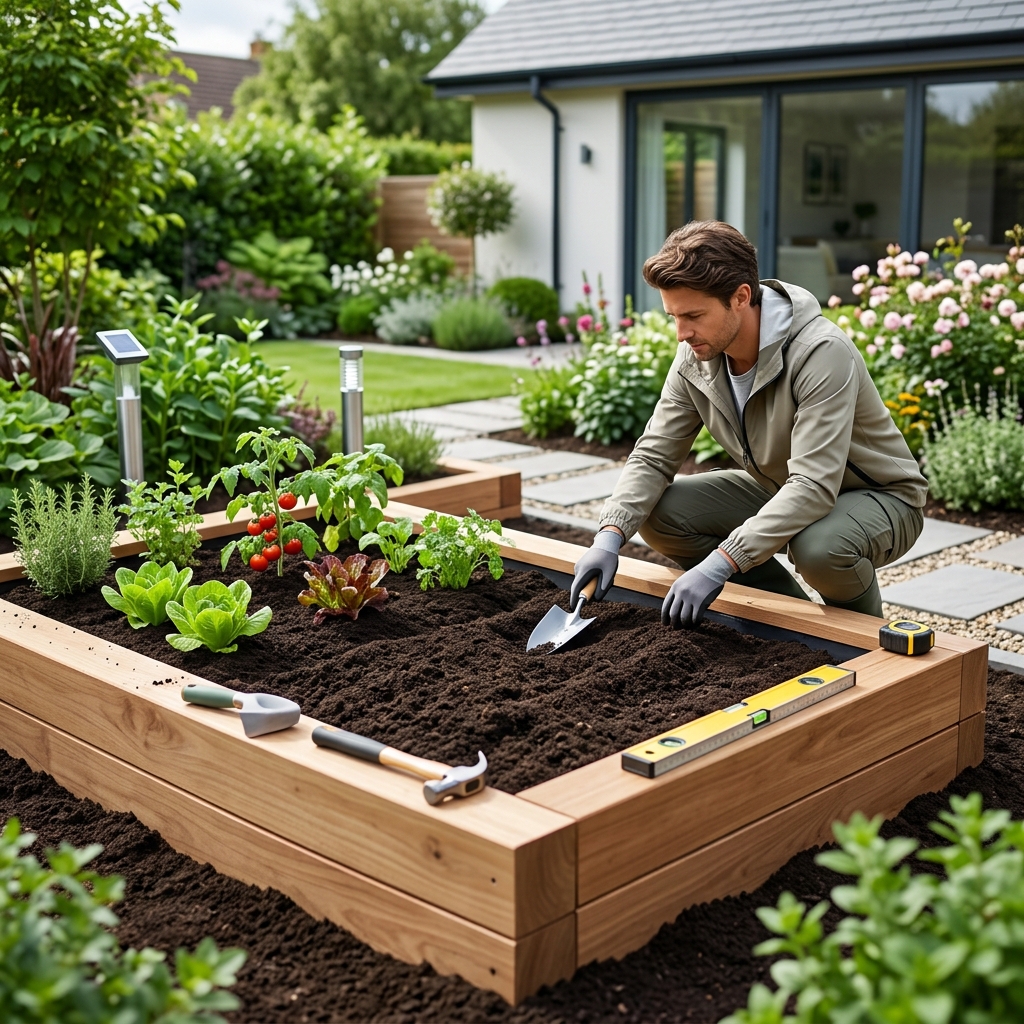
Planning Your Raised Garden Bed
Before you start cutting wood, careful planning is essential. Consider these factors:
Size and Shape
The ideal size depends on your available space and what you want to grow. A width of 1.2 metres (4 feet) is generally recommended – allowing you to reach the centre comfortably from either side. Length is more flexible, but keep in mind the weight of the filled bed. Height typically ranges from 15cm to 45cm (6 to 18 inches). Rectangular beds are most common, but you can experiment with square, L-shaped, or even circular designs.
Location
Sunlight is paramount. Most vegetables and flowering plants need at least six hours of direct sunlight per day. Observe your garden throughout the day to identify the sunniest spots. Ensure easy access to a water source – lugging watering cans across the garden gets tiring! Avoid placing beds under trees, as roots can invade and compete for nutrients. For optimal yields of common UK vegetables like tomatoes, courgettes and beans, a south-facing position is preferable. For leafy greens like lettuce and spinach, a partially shaded spot will prevent bolting during hot summer spells.
Materials You’ll Need: A 2026 UK Cost Breakdown
Here’s a breakdown of the materials you’ll likely need, with estimated 2026 costs (prices are approximate and may vary depending on supplier and location):
- Timber: Cedar is naturally rot-resistant but expensive. Larch is a more affordable option with good durability. Pressure-treated timber is also available but consider eco-friendly alternatives.
- Cedar (for a 2m x 1.2m bed, approx. 4 planks): £150 – £200
- Larch (for a 2m x 1.2m bed, approx. 4 planks): £80 – £120
- Pressure-Treated Timber (for a 2m x 1.2m bed, approx. 4 planks): £60 – £90
- Screws: Exterior-grade screws (50mm or 75mm) – £15 – £20
- Landscape Fabric: Gardman Heavy Duty Landscape Fabric (3m x 10m roll): £20
- Soil: Westland Topsoil (60L bag) x 4-6 bags: £60 – £90
- Compost: Miracle-Gro Premium Compost (50L bag) x 4-6 bags: £100 – £150
- Corner Brackets (Optional): Metal corner brackets for added stability: £10 – £20
Total Estimated Cost (for a 2m x 1.2m bed): £335 – £500 (depending on timber choice)
Tools Required: Essential Gardening Equipment
Here’s a list of tools you’ll need. Some are essential, others will just make the job easier:
- Essential:
- Saw (hand saw or circular saw)
- Drill
- Measuring Tape
- Spirit Level
- Gloves
- Trowel
- Helpful:
- Spear & Jackson PowerDrive Screwdriver Set: £60
- Bosch Cordless Drill: £150
- Clamps (to hold wood together while screwing)
- Sandpaper (to smooth rough edges)
Step-by-Step Construction Guide
- Cut the Wood: Cut the timber to the desired lengths. For a 2m x 1.2m bed with a height of 20cm, you’ll need two pieces at 2m and two pieces at 1.2m.
- Assemble the Frame: Lay the pieces out to form a rectangle. Use screws to join the corners, ensuring they are square. Corner brackets can be added for extra strength.
- Level the Ground: Choose your location and level the ground as much as possible.
- Position the Bed: Place the assembled frame in the desired location. Double-check it’s level.
- Line with Landscape Fabric: Line the inside of the bed with landscape fabric to prevent soil erosion and weed growth. Secure with staples or tacks.
Filling Your Raised Garden Bed: The Best Soil Mix for 2026
The soil mix is critical for success. Avoid using garden soil directly, as it may be poorly draining or contain weeds. A good mix consists of:
- Topsoil: Provides structure and nutrients.
- Compost: Adds organic matter, improves drainage, and provides essential nutrients.
- Grit/Perlite: Improves drainage, especially important for heavier clay soils.
A 50/50 mix of topsoil and compost is a good starting point. For plants that prefer well-drained soil (like Mediterranean herbs), add a 20% grit/perlite component. Consider a soil testing kit to determine your soil’s pH and nutrient levels – readily available from garden centres for around £20-£30.
Maintaining Your Raised Garden Bed
Once your bed is built and filled, regular maintenance is key:
- Watering: Raised beds tend to dry out faster than in-ground gardens, so water regularly, especially during dry spells.
- Fertilizing: Supplement with a balanced fertilizer during the growing season. Evergreen Garden Care Grow More Tomato Feed (£8) is excellent for fruiting plants.
- Weed Control: Remove weeds promptly to prevent them from competing with your plants.
- Pest Control: Be vigilant for common garden pests like slugs and snails. Neudorff Slug & Snail Killer (£10) provides an effective, naturally-derived solution.
Raised Garden Bed Ideas & Inspiration
Raised beds can be adapted to suit any garden style. Consider:
- Herb Spiral: A visually appealing and space-saving design for growing herbs.
- Keyhole Garden: Offers easy access to all parts of the bed.
- Tiered Beds: Great for creating visual interest and maximizing space.
- Vertical Gardening: Attach trellises or climbing supports to the sides of the bed for vining plants.
In 2026, a trend towards naturalistic planting within raised beds is emerging – softening the rigid lines of the structure with cascading flowers and foliage.
Troubleshooting Common Issues
Here are some common problems and their solutions:
- Wood Rot: Choose rot-resistant timber or line the inside of the bed with a waterproof membrane.
- Soil Settling: Top up the soil annually with compost.
- Pest Infestations: Use organic pest control methods, such as companion planting or introducing beneficial insects.
Conclusion: Enjoying Your New Raised Garden
Building a raised garden bed is a rewarding project that offers numerous benefits. From improved drainage and soil control to increased accessibility and aesthetic appeal, raised beds are a fantastic addition to any UK garden. So, gather your materials, roll up your sleeves, and start building your dream garden today!
FAQ
Q: How long will a raised garden bed last?
A: With proper construction and maintenance, a raised bed can last 10-20 years or more. Using rot-resistant timber like cedar or larch will significantly extend its lifespan.
Q: What’s the best height for a raised garden bed?
A: 15-45cm (6-18 inches) is a good range. Higher beds are easier on the back but require more soil. Consider your physical needs and the plants you plan to grow.
Q: Can I use reclaimed wood for my raised garden bed?
A: Yes, but be cautious. Avoid using wood that has been treated with harmful chemicals. Ensure the wood is structurally sound and free of pests.
Q: What can I grow in a raised garden bed?
A: Almost anything! Raised beds are particularly well-suited for vegetables, herbs, and flowers. Consider the size of the bed and the plant’s mature size when making your selection.
Q: Do I need planning permission to build a raised garden bed?
A: Generally, no. However, if the bed is exceptionally large or situated close to a property boundary, it’s worth checking with your local council.