Table of Contents
Introduction: Why You Need a Garden Shed
A garden shed is more than just a storage space; it’s a versatile addition to any UK garden. In 2026, we’re seeing a continuing trend of utilising outdoor space more effectively, with sheds serving as workshops, hobby rooms, home offices, and even ‘garden pubs’. Beyond the practical benefits of decluttering your garage and home, a well-maintained shed can actually increase your property value. From storing gardening tools and furniture to providing a dedicated workspace, the possibilities are endless. The shift towards ‘garden living’ means sheds are becoming increasingly sophisticated, with improved security features and a wider range of designs available to complement modern garden aesthetics.
Types of Garden Sheds Available in the UK
The UK shed market in 2026 offers a diverse range of options. Here’s a breakdown of the most popular types:
Pent Roof Sheds
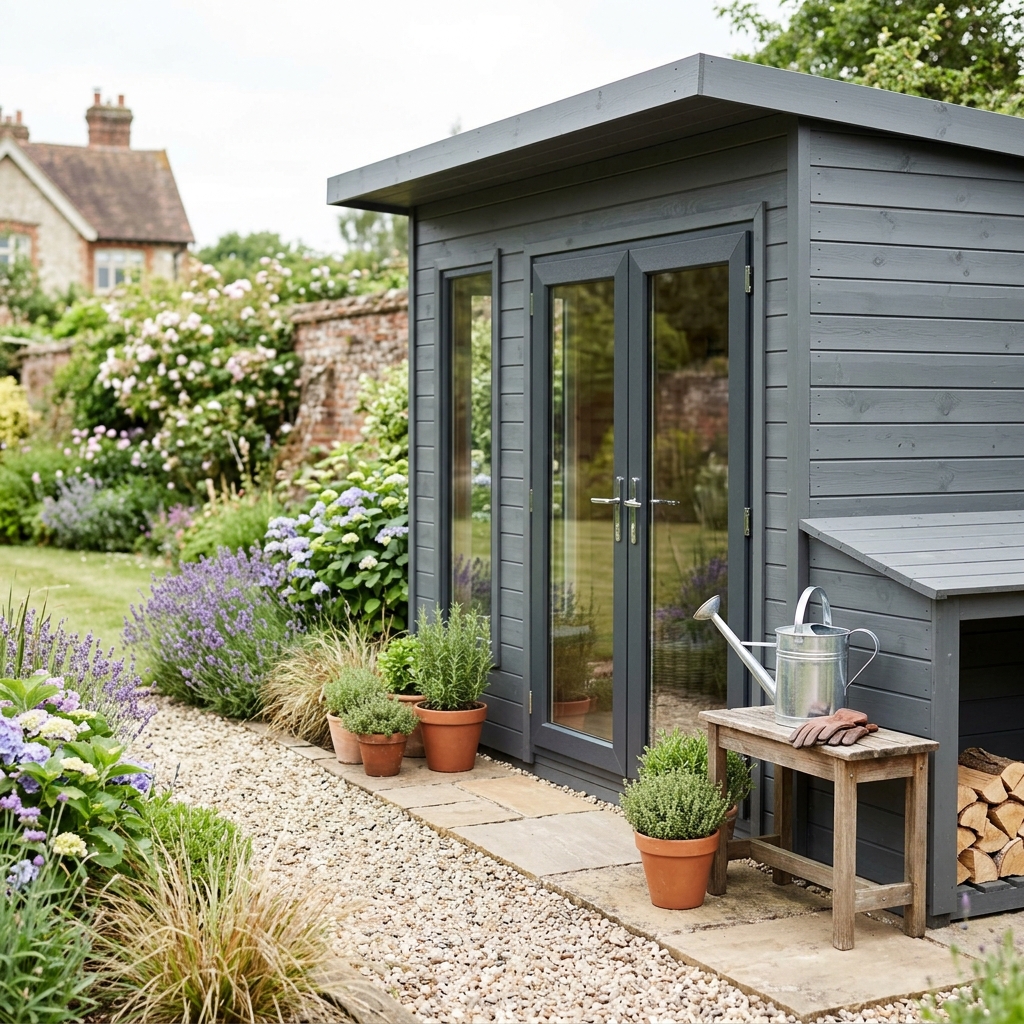
Characterised by a single sloping roof, pent sheds offer a modern look. They’re generally more affordable and easier to build than apex sheds.
- Pros: Modern aesthetic, easy to assemble, typically lower cost.
- Cons: Less headroom at the back, potential for water pooling if not properly installed.
Apex Roof Sheds
The classic shed design, with two sloping sides meeting at a peak. Offers more headroom and a traditional appearance.
- Pros: Good headroom, traditional look, effective water runoff.
- Cons: Can be more expensive than pent sheds.
Reverse Apex Roof Sheds
Similar to apex sheds, but with the higher side of the roof at the back.
- Pros: Increased storage accessibility at the rear, good for taller items.
- Cons: Can look less aesthetically pleasing in some gardens.
Overlap Sheds
Constructed with timber boards that overlap, providing a cost-effective solution. Often the most budget-friendly option.
- Pros: Affordable, lightweight, relatively easy to assemble.
- Cons: Less durable than shiplap or tongue & groove, requires more maintenance.
Shiplap Sheds
Made with boards that fit together with a rabbet (groove), creating a smooth, strong, and weatherproof structure.
- Pros: Durable, weatherproof, aesthetically pleasing, requires less maintenance than overlap.
- Cons: More expensive than overlap sheds.
Log Cabins
Larger and more substantial than traditional sheds, often used as workshops, offices, or even garden rooms.
- Pros: Extremely durable, versatile, aesthetically appealing.
- Cons: Most expensive option, requires significant base preparation and potentially planning permission.
Bicycle Sheds
Specifically designed to store bicycles, often with a narrow door and secure locking mechanisms.
- Pros: Secure bike storage, compact footprint.
- Cons: Limited storage for other items.
Corner Sheds
Designed to fit neatly into garden corners, maximizing space utilization.
- Pros: Space-saving, good for smaller gardens.
- Cons: Can be less versatile in terms of internal layout.
Metal Sheds
Constructed from galvanised steel, offering high security and durability.
- Pros: Very secure, low maintenance, durable.
- Cons: Can be prone to condensation, susceptible to rust if the coating is damaged, less aesthetically pleasing to some.
Shed Sizes: Choosing the Right Dimensions
Selecting the right shed size is crucial. Consider what you intend to store. Here’s a guide:
| Size | Typical Uses |
|---|---|
| 6x4ft | Basic garden tools, small lawnmower, potting supplies. |
| 8x6ft | Larger lawnmower, garden furniture, bikes, some power tools. |
| 10x8ft | Workshop, ample storage for garden equipment, furniture, and more. |
| 12x8ft | Dedicated workshop, extensive storage, potential for hobby space. |
Always measure your available garden space carefully before making a decision. Remember to factor in space for accessing the shed and opening the door.
Shed Materials: Wood vs. Metal vs. Plastic
Choosing the right material impacts durability, maintenance, and cost.
| Material | Durability | Maintenance | Cost | Aesthetics |
|---|---|---|---|---|
| Overlap | Low-Medium | High | ££ | Rustic |
| Shiplap | Medium-High | Medium | £££ | Attractive |
| Tongue & Groove | High | Medium | ££££ | Premium |
| Pressure-Treated Wood | Very High | Medium | ££££ | Natural |
| Metal (Galvanised Steel) | Very High | Low | £££ | Modern/Industrial |
| Plastic (Resin) | Medium | Low | ££ | Practical |
Planning Permission & Regulations for Sheds in the UK (2026)
In 2026, the UK planning permission rules for sheds remain largely unchanged, but it’s vital to stay informed. Permitted development rights generally allow you to build a shed without planning permission, provided it meets certain criteria:
- The shed is for a purpose incidental to the enjoyment of the dwellinghouse.
- The shed is single-storey.
- The maximum eaves height is 2.5 metres.
- The maximum overall height is 4 metres (for a dual-pitched roof) or 3 metres (for other roof types).
- The shed doesn’t cover more than 50% of the total area of land around the ‘original house’.
- The shed isn’t located forward of the principal elevation of the house (excluding the side elevation).
If your shed doesn’t meet these criteria, you’ll likely need planning permission. You can find detailed information on the Planning Portal: https://www.planningportal.co.uk/
Shed Base Preparation: Essential for a Long-Lasting Shed
A solid, level base is crucial for shed longevity.
- Concrete Base: Most durable, but expensive and requires more effort.
- Gravel Base: Good drainage, cost-effective, but requires a well-compacted layer.
- Paving Slabs: Relatively easy to install, provides a stable surface, but can move over time.
- Timber Base: Least expensive, but requires regular maintenance and is prone to rot.
Shed Installation: DIY vs. Professional Installation
DIY: Cost-effective, but requires time, skill, and potentially two people. Expect a 6x4ft shed to take a full day.
Professional Installation: More expensive, but saves time and ensures a correct installation. In 2026, expect to pay between £200 – £600 for professional installation, depending on shed size and complexity.
Garden Shed Security: Protecting Your Valuables
Secure your shed with:
- Strong padlocks (BS EN 12320 certified).
- Window security bars or film.
- Ground anchors for bikes and other valuable items.
- Security lighting.
- Consider a shed alarm system.
Maintaining Your Garden Shed: Extending Its Lifespan
Regular maintenance is key. Clean your shed annually, treat wood with preservative (Protective Wood Preservative – 5L – £35.0), check for rot, repair the roof, and ensure adequate ventilation.
Garden Shed Costs in the UK (2026): A Price Breakdown
Here’s a rough cost breakdown:
- Shed Price: £249 – £1999+ (depending on size and material)
- Base Cost: £100 – £500+ (depending on base type)
- Installation Cost: £200 – £600 (optional)
- Delivery Cost: £50 – £150 (depending on location)
- Accessories: £50 – £200+ (shelves, windows, doors)
- Running Costs (Maintenance): £20 – £50 per year
Examples:
- Rowlinson Forest Garden Apex Shed 6x4ft: £399
- B&Q Shiplap Shed 8x6ft: £749
- Duramax Steel Garden Shed 8x10ft: £999
- Yardmaster Overlap Shed 4x6ft: £249
Where to Buy a Garden Shed in the UK
- B&Q: Wide range of sheds, competitive prices.
- Wickes: Good quality sheds, often with installation services.
- Screwfix: Focus on trade quality sheds, fast delivery.
- Argos: Budget-friendly options, convenient for smaller sheds.
Conclusion: Finding the Perfect Garden Shed for You
Choosing the right garden shed requires careful consideration of your needs, budget, and garden space. By understanding the different types of sheds, materials, and regulations, you can make an informed decision and enjoy a durable, functional, and attractive addition to your outdoor living space. Don’t underestimate the value of a well-chosen shed – it’s an investment that will pay dividends for years to come.