
As the warmer months approach, creating a comfortable and shaded outdoor space is a top priority for many UK homeowners. A garden parasol is a simple yet effective solution for enjoying your garden without the harsh glare of the sun. This guide will walk you through everything you need to know about choosing the best garden parasol online in the UK for 2026, covering types, sizes, materials, and maintenance.
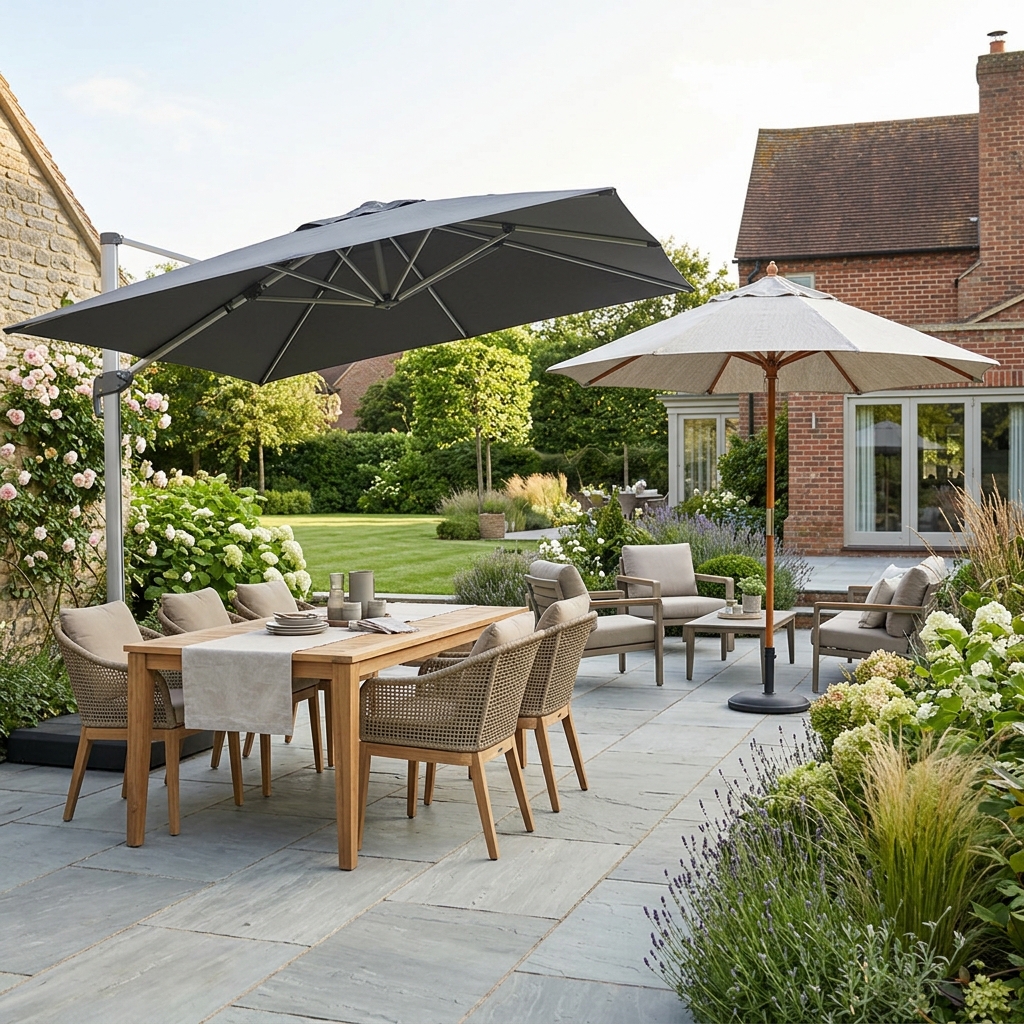
Table of Contents
What to Consider When Buying a Garden Parasol
Choosing the right garden parasol isn’t just about aesthetics. Several key factors will influence your decision. Consider the size of your garden and patio area. Larger gardens can accommodate larger parasols, including cantilever models. Think about your furniture arrangement – how much area needs shading? The amount of sun exposure your garden receives is also crucial. If you experience strong winds, stability will be a major concern. Finally, consider your desired style – do you prefer a classic wooden look, or a modern metal finish?
There are several types of garden parasols available, each with its own advantages and disadvantages. We’ll explore these in detail in the next section.
Types of Garden Parasols: A Comprehensive Overview
Cantilever (Offset) Parasols
Cantilever parasols have the pole positioned to the side, offering flexible shade positioning. Ideal for dining sets or lounge areas where a central pole would be obstructive.
| Pros | Cons |
|---|---|
| Offers maximum flexibility in shade positioning. | Typically more expensive than centre pole models. |
| Avoids obstruction from a central pole. | Requires a very heavy base for stability. |
| Stylish and modern aesthetic. | Can be susceptible to wind lift if not properly secured. |
Centre Pole Parasols
The traditional design, with the pole positioned centrally. A cost-effective and straightforward option.
| Pros | Cons |
|---|---|
| Generally more affordable. | Pole can obstruct furniture placement. |
| Easy to set up and use. | Less flexibility in shade positioning. |
| Available in a wide range of styles and sizes. |
Wooden Parasols
Often feature a classic aesthetic. Typically made from hardwoods like teak.
Metal Parasols
Durable and often featuring powder-coated finishes for weather resistance. Aluminium is a popular choice for its lightweight nature.
Round, Square, & Rectangular Parasols
Shape dictates the area of coverage. Rectangular parasols are best suited for long dining tables, while round or square options are versatile for various setups.
Tiltable Parasols
Allow you to adjust the angle of the canopy to follow the sun’s path.
Rotary Parasols
Can be rotated 360 degrees for complete shade control.
Garden Parasol Sizes: Choosing the Right Coverage
Selecting the correct parasol size is vital for adequate shade. Here’s a guide:
- 1.8m Parasol: Suitable for bistro sets (2 chairs).
- 2.1m Parasol: Good for small dining sets (4 chairs).
- 2.5m Parasol: Ideal for medium dining sets (4-6 chairs) or small lounge areas.
- 3m+ Parasol: Best for large dining sets (6-8 chairs) or larger lounge areas. Essential for cantilever models.
Here’s a quick coverage chart (approximate):
| Parasol Size | Approximate Coverage Area | Suitable for |
|---|---|---|
| 1.8m | 2.5 sqm | Bistro Set |
| 2.1m | 3.5 sqm | Small Dining Set (4 chairs) |
| 2.5m | 4.9 sqm | Medium Dining Set (4-6 chairs) |
| 3m | 7.1 sqm | Large Dining Set (6-8 chairs) |
Parasol Materials: Durability & Style
Fabric Materials
- Polyester: Affordable and water-resistant, but can fade over time.
- Acrylic: More durable and fade-resistant than polyester. Offers good UV protection.
- Cotton: Natural and breathable, but less water-resistant and requires more maintenance.
- Waterproof Options: Often featuring a PU coating, these are ideal for unpredictable UK weather.
Frame Materials
- Aluminium: Lightweight, rust-resistant, and durable. A popular choice for cantilever models.
- Steel: Strong and stable, but heavier and susceptible to rust if not treated.
- Wood: Classic aesthetic, but requires regular maintenance to prevent weathering.
Top 7 Garden Parasols UK – 2026 Reviewed
1. Argos Value Range Garden Parasol – £35.00
A budget-friendly option perfect for smaller spaces. Offers basic shade and is easy to set up. Lacks advanced features like tilt or rotation.
- Pros: Affordable, lightweight.
- Cons: Basic features, less durable materials.
2. B&Q 3m Octagonal Garden Parasol – £60.00
A good all-rounder offering a generous 3m coverage. Octagonal shape provides ample shade. Requires a separate base.
- Pros: Good size, affordable, easy to find.
- Cons: Basic features, can be prone to wind lift.
3. Wilko Cantilever Garden Parasol – £85.00
A popular cantilever option offering excellent flexibility. Requires a substantial base due to its offset design.
- Pros: Flexible shade positioning, modern design.
- Cons: Requires a heavy base, can be tricky to assemble.
4. Amazon Basics Garden Parasol with Crank – £45.00
A reliable and affordable parasol with a convenient crank mechanism for easy opening and closing.
- Pros: Easy to use, good value for money, readily available.
- Cons: Materials feel less premium.
5. Kettal Cala Garden Parasol (Luxury) – £450.00
A premium parasol offering exceptional quality, durability, and design. Made with high-end materials and featuring a sophisticated aesthetic.
- Pros: Exceptional quality, stylish design, durable materials.
- Cons: Very expensive.
6. Outsunny 3m Square Garden Parasol with LED Lights – £120.00
Combines shade with ambient lighting. The square shape is ideal for rectangular tables. Features integrated LED lights for evening use.
- Pros: Integrated LED lights, square shape for rectangular tables.
- Cons: Lights require charging.
7. VidaXL Garden Parasol 2.5m with Rotary Mechanism – £70.00
Offers 360-degree rotation for ultimate shade control. A good mid-range option with a practical design.
- Pros: Rotary mechanism, good size, reasonable price.
- Cons: Base not included.
Garden Parasol Bases: Stability & Safety
A stable base is essential for safety, especially in windy conditions. Here’s a breakdown of base types:
- Concrete Bases: Heavy and durable, offering excellent stability.
- Granite Bases: Visually appealing and provide good weight.
- Steel Bases: Durable and often adjustable, but can rust if not protected.
As a general guideline, a 2.1m parasol requires a base weighing at least 15kg. For 3m cantilever parasols, a base of 50kg+ is recommended. Always check the manufacturer’s recommendations.
Safety Tip: Always lower your parasol or secure it properly before leaving it unattended, especially in windy weather.
Maintaining Your Garden Parasol: Care Tips for Longevity
Regular maintenance will extend the lifespan of your parasol. Clean the canopy regularly with mild soap and water. Store the parasol during the off-season in a dry place, using a protective cover to prevent dust and mildew. Consider a waterproof cover for year-round protection. For wooden frames, apply a protective oil or varnish annually.
Where to Buy Garden Parasols Online in the UK
Here are some reputable UK retailers where you can buy garden parasols online:
- Argos
- B&Q
- Wilko
- Amazon
- Specialist Garden Furniture Retailers (e.g., Hayes Garden World, Garden Trading)
FAQ
Q: How often should I clean my garden parasol?
Ideally, clean your parasol every few weeks during use to remove dirt, dust, and bird droppings. A deep clean should be done at the start and end of the season.
Q: What does ‘UV protection’ mean for a parasol?
UV protection indicates the parasol fabric’s ability to block harmful ultraviolet rays from the sun, helping to prevent sunburn and skin damage.
Q: Can I leave my garden parasol up overnight?
It’s generally not recommended to leave a parasol up overnight, especially if wind is predicted. Always lower it or secure it properly.
Q: How do I prevent my parasol base from rusting?
For steel bases, apply a rust-resistant paint or coating. Regularly wipe down the base to remove moisture and debris.
Q: What is the best type of parasol base for a cantilever model?
Cantilever models require a very heavy base, typically 50kg or more, to counteract the offset weight. Granite or concrete bases are often the best choice.