Table of Contents
As an Amazon Associate, we earn from qualifying purchases. This means we may receive a small commission at no extra cost to you when you buy through links on this page.
Introduction: Why Garden Edging Matters
Garden edging is more than just a finishing touch; it’s a practical and aesthetic element that can transform your outdoor space. Well-defined borders create a sense of order and polish, preventing lawn grass from creeping into flowerbeds and keeping gravel or mulch contained. Beyond functionality, edging dramatically enhances the visual appeal of your garden, offering a clean, professional look. In 2026, with increasing awareness of sustainable living and a desire for beautiful yet affordable gardens, there’s a booming interest in DIY and budget-friendly garden solutions, making garden edging a perfect project for homeowners.
Understanding Your Edging Needs: Garden Styles & Considerations
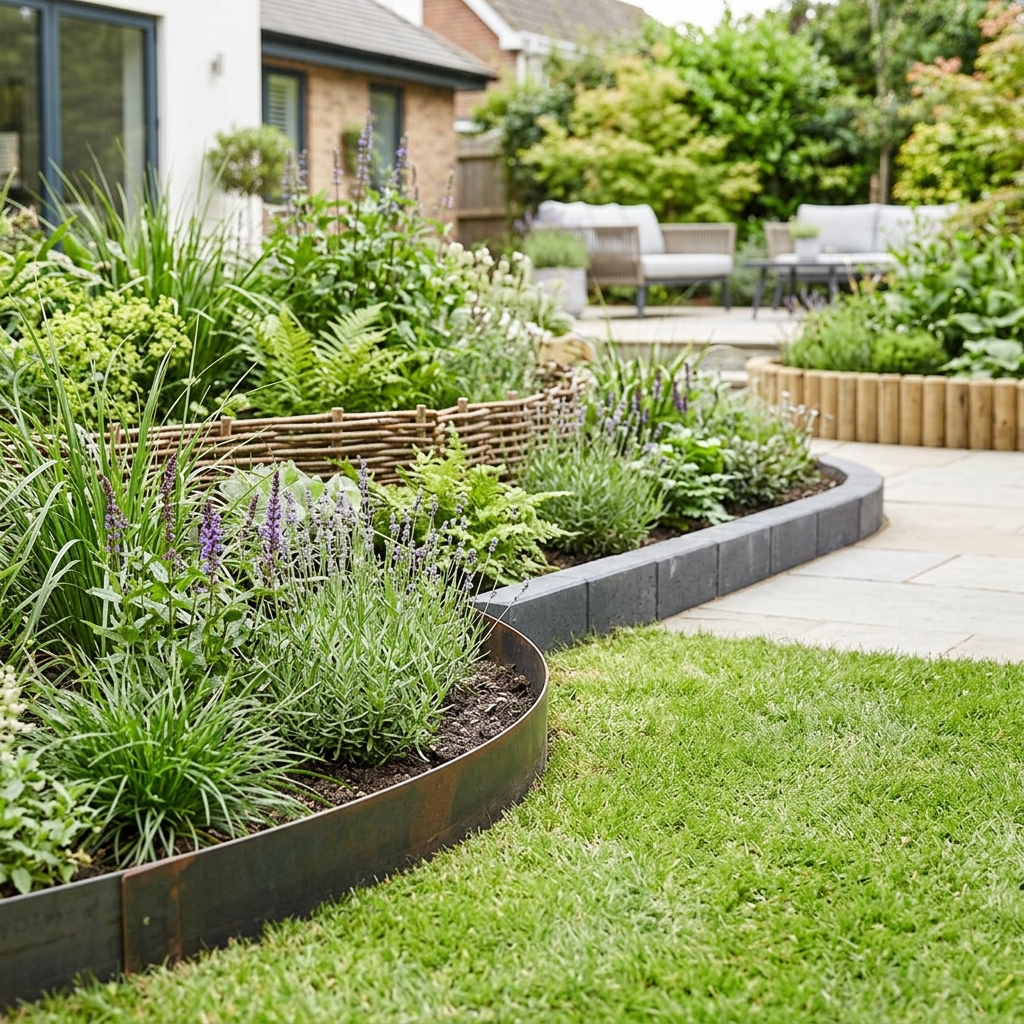
The best garden edging for your garden depends on its style and your specific needs. A cottage garden, with its informal, overflowing blooms, might suit a rustic edging of woven hazel or natural stone. A modern, minimalist garden would benefit from sleek metal edging or a clean, low-profile plastic border. Formal gardens often feature classic brick or clipped box hedging.
Consider these factors:
- Soil Type: Well-drained soil supports most options. Clay soil might require more robust, raised edging.
- Garden Slope: Sloped gardens need edging that can withstand pressure and prevent soil erosion.
- Existing Landscaping: Choose edging that complements existing features like patios, paths, and walling.
- Maintenance: Some materials require more upkeep than others.
Cheap & Free Garden Edging Ideas: Reclaimed & Repurposed Materials
The most budget-friendly option is often right under your nose! Repurposing materials not only saves money but is also incredibly eco-friendly.
- Pallets (Broken Down): Dismantle pallets and use the wood to create a rustic border. Sand and stain for a more polished look.
- Reclaimed Bricks: Source bricks from salvage yards or online marketplaces. A classic and durable choice.
- Stones (Found on Site or Sourced Locally): Natural stone adds character. Use stones you find on your property or source from local suppliers.
- Wood (Branches, Logs): Create a naturalistic edging using branches or logs.
- Plastic Bottles (Eco-Friendly): An innovative (and free!) option. Fill plastic bottles with sand or water for weight and bury them partially to create a colourful border.
- Tyres (Painted): Old tyres can be painted and stacked to create unique raised beds or edging.
Affordable Garden Edging Options: New Materials Under £10 per Metre
If you prefer a new product, several options fall under the £10 per metre mark.
Comparison Table: Budget Edging Options (Under £10/m)
| Material | Price (per metre) | Pros | Cons |
|---|---|---|---|
| Plastic Edging Rolls | £4.99 – £9.99 | Flexible, easy to install, lightweight, affordable. | Can look cheap, susceptible to UV damage, not very durable. |
| Metal Edging (Corrugated Iron/Galvanised Steel) | £6.99 – £9.50 | Durable, modern look, relatively easy to install. | Can rust (depending on treatment), sharp edges require caution. |
| Rubber Edging (Recycled Rubber Crumb) | £7.50 – £8.50 | Flexible, durable, environmentally friendly, good for curves. | Can be expensive for large areas, may fade over time. |
| Gravel/Pebbles | £5.00 – £7.00 (depending on type) | Natural look, good drainage, relatively inexpensive. | Requires regular topping up, can spread onto lawns. |
| Bamboo Edging | £8.00 – £9.00 | Natural look, sustainable, lightweight. | Not very durable, susceptible to rot. |
Mid-Range Garden Edging: Balancing Cost & Durability (£10 – £20 per Metre)
For a better balance of cost and longevity, consider these options.
- Treated Softwood Edging: Durable and aesthetically pleasing. Requires periodic re-treatment.
- Composite Edging: Made from recycled materials, offering a long lifespan and low maintenance.
- Woven Hazel Hurdles: Rustic and charming, ideal for cottage gardens.
- Terracotta Edging Tiles: Classic and elegant, adding a touch of Mediterranean style.
Installing Garden Edging: A Step-by-Step Guide
Installation varies depending on the material. Here’s a general guide:
- Preparation: Clear the area of weeds, grass, and debris. Mark the desired line of the edging.
- Tools Needed: Spade, hammer, measuring tape, spirit level, safety glasses, gloves, depending on material – potentially a saw, drill.
- Installation:
- Plastic/Metal Edging: Dig a shallow trench, insert the edging, and backfill with soil.
- Wood/Stone: Dig a deeper trench, lay a base of gravel for drainage, and set the edging in place.
- Rubber Edging: Often secured with stakes.
Safety First: Always wear safety glasses and gloves when working with tools and materials. Be mindful of underground utilities.
Garden Edging Ideas for Specific Areas: Flower Beds, Lawns & Paths
- Flower Bed Edging: Low-profile edging like plastic rolls or gravel works well. Consider terracotta tiles for a more defined look.
- Lawn Edging: Metal edging creates a crisp, clean separation. Rubber edging is good for curved lawns.
- Path Edging: Bricks or stones define the path and prevent gravel from spreading. Wood edging adds a natural touch.
Maintaining Your Garden Edging: Ensuring Longevity
Regular maintenance will keep your edging looking its best.
- Cleaning: Remove dirt and debris regularly.
- Repairs: Address any damage promptly. Replace broken sections or re-secure loose edging.
- Weed Control: Prevent weed growth around the edging by applying mulch or using a weed killer.
- Re-treatment: Softwood edging requires periodic re-treatment to protect it from the elements.
UK Garden Edging Trends 2026: What’s Popular?
In 2026, several trends are shaping garden edging choices in the UK:
- Sustainable Materials: Increased demand for recycled rubber, reclaimed wood, and bamboo.
- Naturalistic Edging: Using hedges, woven hazel, and natural stone for a softer, more organic look.
- Bold Colours: More gardeners are experimenting with brightly coloured edging to add personality to their spaces.
- Minimalist Designs: Clean lines and low-profile edging remain popular for modern gardens.
- ‘Wild’ Edging: Utilizing wildflowers and allowing some natural overflow to promote biodiversity.
Where to Buy Garden Edging in the UK: Online & In-Store
Here are some popular retailers:
- B&Q: Wide range of edging options, both online and in-store.
- Homebase: Similar to B&Q, offering a variety of materials and prices.
- Screwfix: Focuses on trade-quality materials, including metal and plastic edging.
- Wickes: Offers a good selection of edging materials, particularly timber and composite options.
- Amazon UK: A convenient option for a wide variety of edging solutions.
- Local Garden Centres: Support your local businesses and browse a curated selection of edging materials.
Product Showcase (2026 Prices)
| Product Name | Price (GBP) |
|---|---|
| Everedge Pro Landscape Edging – 5m Roll | £35.99 |
| Forest Garden Traditional Log Edging – 1.8m Pack | £24.99 |
| Gardman Recycled Rubber Lawn Edging – 3m Roll | £19.99 |
| Deuba 10m Garden Border Edging Flexible Plastic Lawn Edge | £12.99 |
| Rowlinson Willow Edging – 1.8m Roll | £39.99 |
FAQ
Q: How deep should I dig the trench for garden edging?
This depends on the material. Plastic or metal edging generally requires a shallow trench (5-10cm), while wood or stone edging needs a deeper trench (15-20cm) to provide stability.
Q: Can I use garden edging on a sloped lawn?
Yes, but choose edging that can withstand the pressure. Metal edging, treated wood, or stepping stone edging are good options. Ensure you dig the edging deeper into the slope for added support.
Q: What’s the best way to prevent weeds from growing around my garden edging?
Apply a layer of mulch around the edging to suppress weed growth. You can also use a weed barrier fabric underneath the edging during installation.
Q: Is reclaimed wood suitable for garden edging?
Yes, reclaimed wood can be a great option, but ensure it’s treated or naturally rot-resistant. Avoid using wood that has been chemically treated unless it’s specifically designed for garden use.
Q: How long will plastic garden edging last?
Plastic edging typically lasts 2-5 years, depending on the quality of the plastic and exposure to UV rays. Look for UV-resistant plastic for longer-lasting performance.