
Table of Contents
Introduction: The UK Lawn – Unique Challenges & Opportunities
The British lawn is a national obsession, but achieving a lush, green expanse isn’t always easy. Our unpredictable weather, varying soil types, and common lawn problems like moss and weeds present unique challenges. However, with the right knowledge and a little effort, a beautiful lawn is entirely achievable. This guide provides a comprehensive overview of lawn care techniques tailored to the UK climate and conditions in 2026, equipping you with the knowledge to create and maintain a lawn you can be proud of. We’ll cover everything from understanding your soil to tackling seasonal issues and exploring the latest trends in lawn care.
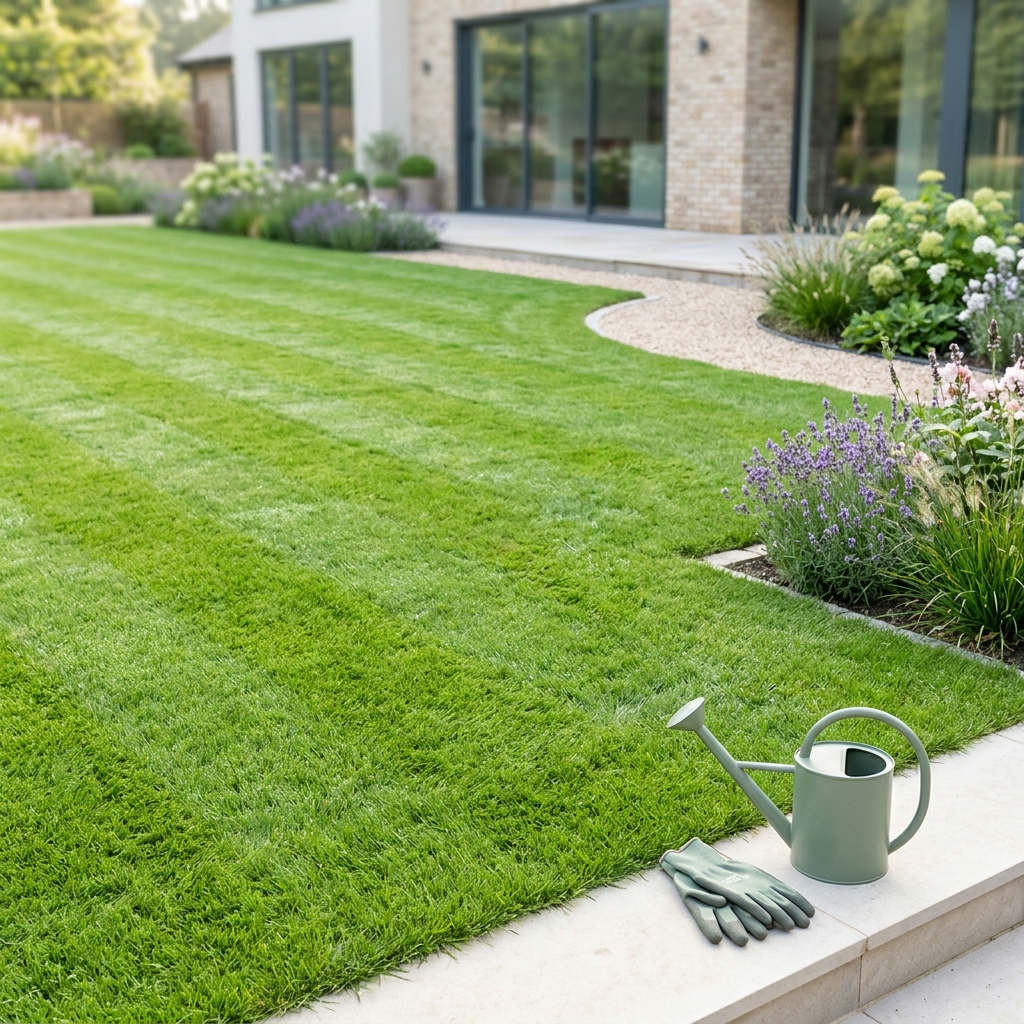
Understanding Your UK Lawn: Soil Types & Grass Varieties
Before you start, knowing your soil type is crucial. The three most common UK soil types are:
- Clay Soil: Holds water well but can become compacted. Requires aeration.
- Sandy Soil: Drains quickly, often nutrient-poor. Needs regular feeding and watering.
- Loam Soil: The ideal balance – good drainage, nutrient retention, and workability.
Different grass varieties thrive in different conditions. Popular UK choices include:
| Grass Variety | Pros | Cons |
|---|---|---|
| Ryegrass | Fast growing, hard-wearing, good for repairs. | Can require frequent mowing, prone to fungal diseases. |
| Fescue | Drought tolerant, fine texture, low maintenance. | Slower to establish, less tolerant of heavy foot traffic. |
| Red Clover | Fixes nitrogen in the soil (natural fertiliser), attracts pollinators. | Can appear as weeds if not managed, not ideal for high-traffic areas. |
Mowing Mastery: Techniques for a Perfect Cut
Mowing is fundamental to lawn care. Here’s how to do it right:
- Mowing Height: Ryegrass – 2.5-4cm, Fescue – 1.5-3cm. Adjust seasonally; higher in summer, lower in spring/autumn.
- Blade Maintenance: Sharpen blades at least twice a year for a clean cut. A balanced blade prevents vibration and wear.
- Robotic Lawnmowers (2026 Trends): Increasingly popular, offering convenience and consistent cuts. Models like the Bosch Rotak 370LI Cordless Lawnmower (£349.0) are leading the way with smart features and improved battery life.
Feeding Your Lawn: Fertilising for Lush Growth
Understanding NPK (Nitrogen, Phosphorus, Potassium) ratios is key. Nitrogen promotes leaf growth, Phosphorus supports root development, and Potassium enhances overall health.
- Organic vs. Synthetic: Organic feeds release nutrients slowly, improving soil health. Synthetic feeds provide a quick boost.
- Granular vs. Liquid: Granular feeds are easy to apply but take longer to work. Liquid feeds provide immediate results.
- Feeding Schedule: Spring – high nitrogen. Summer – balanced NPK. Autumn – high potassium for winter hardiness. The Westland SafeLawn Autumn Lawn Feed (£18.5) is a popular choice.
Weed, Pest & Disease Control: Protecting Your Investment
UK lawns face several threats:
- Common Weeds: Dandelions, clover, plantain. Manual removal is effective for small infestations. Herbicide regulations in 2026 are stricter; always check product labels and local guidelines.
- Lawn Pests: Leatherjackets and chafer grubs can damage roots. Nematodes are a biological control option.
- Lawn Diseases: Fusarium patch and red thread are common. Improve air circulation, avoid overwatering, and use a suitable fungicide if necessary.
Seasonal Lawn Care Calendar: A Year-Round Guide
- Spring: Repair winter damage, feed, weed, and begin mowing.
- Summer: Regular mowing, watering during dry spells, watch for pests and diseases.
- Autumn: Aerate, scarify, apply autumn feed, remove leaves.
- Winter: Protect from frost, avoid walking on frozen grass.
Aeration & Scarification: Revitalising Compacted Lawns
Aeration alleviates soil compaction, allowing air, water, and nutrients to reach the roots. Scarification removes thatch (dead grass) buildup, improving air circulation.
- When & Why: Aerate in autumn or spring if soil is compacted. Scarify in spring or autumn to remove thatch.
- Tools: Manual aerators (Spear & Jackson Lawn Aerator – £45.0) are suitable for small lawns. Powered aerators and scarifiers (Vermeer Lawn Scarifier – £129.0) are more efficient for larger areas.
Dealing with Moss: Causes & Solutions
Moss thrives in damp, shady conditions with acidic soil. Remove it by raking or using a moss killer. Prevent regrowth by improving drainage, adjusting soil pH (liming), and increasing sunlight exposure.
Watering Your Lawn: Efficient Irrigation Techniques
Water deeply and infrequently to encourage deep root growth. Use a sprinkler, hose, or irrigation system (Gardena Micro-Drip Irrigation Kit – £69.99). Conserve water by collecting rainwater and watering in the early morning or late evening.
Lawn Repair: Patching, Overseeding & Reseeding
Patching: Remove damaged turf, loosen soil, add compost, and reseed. Overseeding: Scatter seed over existing lawn to thicken growth. Reseeding: For severely damaged lawns, remove all existing turf and start fresh.
Future Trends in UK Lawn Care (2026)
The future of lawn care is focused on sustainability and technology:
- Drought-Tolerant Grass Varieties: New cultivars are being developed that require less water.
- Smart Lawn Care Systems: Automated irrigation and fertilisation based on weather data and soil conditions.
- Sustainable Lawn Care: Reducing reliance on chemical fertilisers and pesticides, promoting biodiversity.
Our Top Pick
For the average UK garden, the Evergreen Complete 4-in-1 Lawn Care Programme (£39.99) offers exceptional value and a comprehensive solution to lawn maintenance. It covers feeding, weed control, moss killing and conditioning, making it a convenient and effective choice for achieving a lush, green lawn throughout the year.
FAQ
Q: How often should I mow my lawn?
Generally, once a week during the growing season (April-September) is sufficient. Adjust based on growth rate and grass type.
Q: What does it mean if my lawn is yellowing?
Yellowing can indicate several issues: nutrient deficiency, drought stress, fungal disease, or pest damage. Investigate to identify the cause and apply appropriate treatment.
Q: Is it necessary to aerate my lawn every year?
Not necessarily. Aeration is needed when the soil is compacted. Test for compaction by inserting a garden fork; if it’s difficult, aeration is likely required.
Q: What’s the best way to get rid of weeds without using chemicals?
Manual weeding is the most eco-friendly option, especially for smaller infestations. Maintaining a healthy, dense lawn also helps prevent weeds from establishing.
Q: What is thatch and why is it a problem?
Thatch is a layer of dead organic matter that builds up between the grass blades and the soil. A thick layer of thatch can prevent water and nutrients from reaching the roots, and can harbour pests and diseases.