
Table of Contents
As an Amazon Associate, we earn from qualifying purchases. This means we may receive a small commission at no extra cost to you when you buy through links on this page.
Introduction: Creating Your Outdoor Oasis
The British garden is more than just a patch of green; it’s an extension of our living space. In 2026, the trend is towards blurring the lines between indoors and outdoors, creating comfortable and functional outdoor rooms. Garden furniture plays a pivotal role in achieving this. We’re seeing a surge in demand for multi-functional pieces – think storage benches, dining sets that convert into lounge areas, and modular furniture that adapts to your needs. Sustainability is also key, with buyers actively seeking eco-friendly materials and durable designs that will last for years. This guide will help you navigate the options and choose the perfect garden furniture to suit your space and lifestyle.
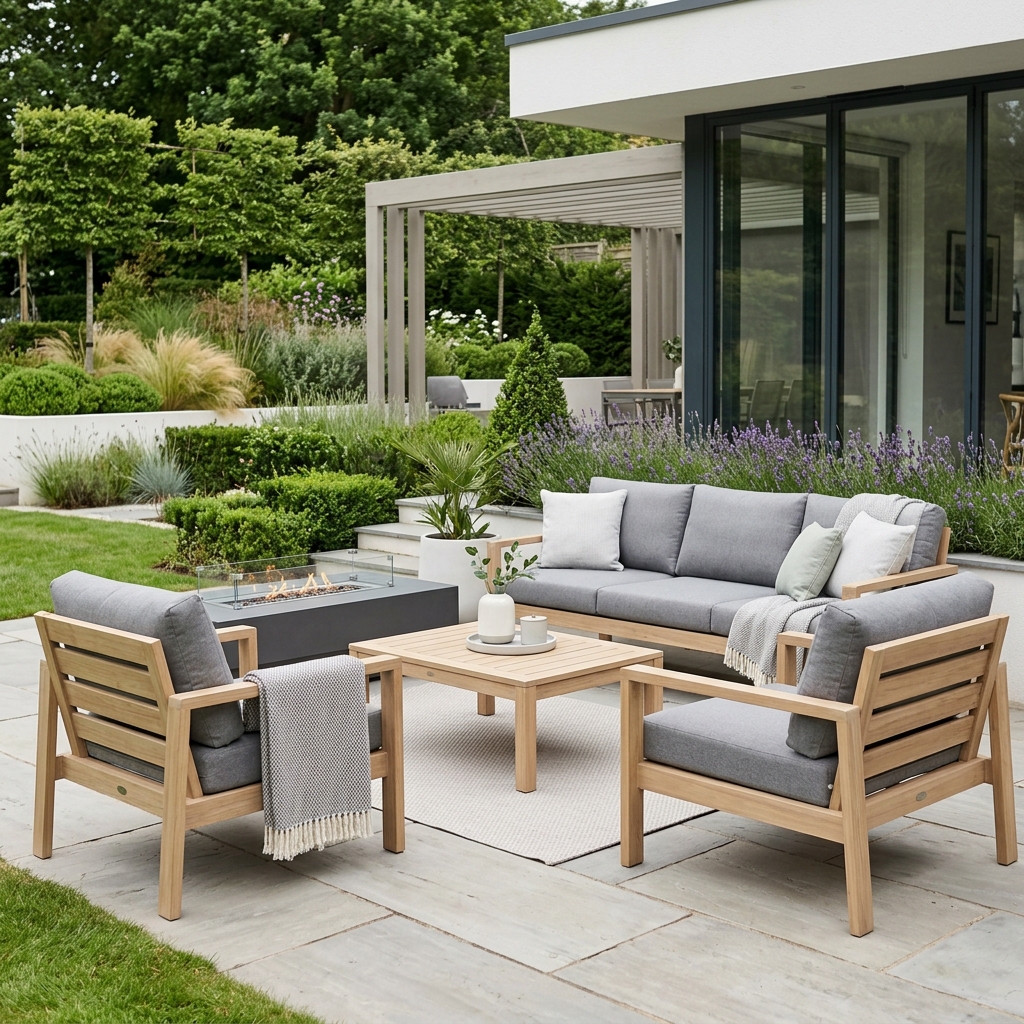
1. Assess Your Space & Needs
Before you even start browsing, take the time to assess your garden. Accurate measurements are crucial. Measure the area where you envision placing your furniture. Consider walkways and access points. Don’t forget to factor in space for moving around comfortably.
Consider Your Usage:
- Dining: If you enjoy al fresco dining, a dedicated dining set is essential.
- Lounging: For relaxing and socialising, a comfortable lounge set with sofas and armchairs is ideal.
- Entertaining: A combination of dining and lounge areas, or a larger, more versatile set, might be best.
- Solo Relaxation: A bistro set, rocking chair, or sun lounger can be perfect for individual enjoyment.
Small gardens benefit from compact bistro sets or folding furniture that can be stored away when not in use. Larger gardens offer more flexibility, allowing for multiple seating areas and larger furniture pieces. Think about the shape of your garden, too. A long, narrow garden might suit a linear layout, while a square garden can accommodate a more circular arrangement.
2. Garden Furniture Materials: Pros & Cons (2026 Update)
Choosing the right material is vital for longevity and enjoyment. Here’s a detailed comparison of popular options:
| Material | Pros | Cons | Approximate Cost (2026) | Sustainability (2026) |
|---|---|---|---|---|
| Teak | Highly durable, naturally weather-resistant, beautiful appearance, ages gracefully. | Expensive, requires occasional oiling, can be heavy. | £800 – £3000+ (bench from £250, dining sets from £1500) | Sourced from sustainable plantations is common, but verify certification. |
| Acacia | More affordable than teak, durable, attractive grain, relatively weather-resistant. | Requires regular oiling/sealing, can warp or crack if not maintained. | £300 – £1200 (dining sets from £500) | Increasingly sourced from sustainably managed forests. |
| Aluminium | Lightweight, rust-resistant, low maintenance, often powder-coated for durability. | Can get hot in direct sunlight, less traditional aesthetic. | £200 – £1000 (bistro sets from £150, lounge sets from £600) | Highly recyclable. |
| Steel/Wrought Iron | Strong and durable, classic aesthetic, heavy and stable. | Prone to rust if not treated, heavy to move, can get hot. | £300 – £1500 (bistro sets from £200, dining sets from £800) | Recyclable, but energy-intensive to produce. |
| Rattan (Natural) | Beautiful, natural aesthetic, comfortable, relatively lightweight. | Requires significant maintenance, susceptible to fading and damage from moisture. | £500 – £2000+ (lounge sets from £1000) | Sustainability depends on source; can be environmentally damaging if not sustainably harvested. |
| Synthetic Rattan (Poly Rattan) | Durable, weather-resistant, low maintenance, affordable. | Less natural aesthetic, can feel less comfortable than natural rattan, potential for plastic waste. | £300 – £1500 (lounge sets from £500) | Recycled plastic options are becoming more prevalent. Look for these! |
| Plastic/Resin | Very affordable, lightweight, easy to clean, available in many colours. | Less durable, can fade and become brittle in sunlight, environmentally unfriendly. | £50 – £500 (bistro sets from £80) | Look for recycled plastic options; generally low sustainability. |
Emerging Materials (2026): We’re seeing increased use of recycled ocean plastic in furniture construction, offering a more sustainable alternative. Bamboo is also gaining popularity for its fast growth and durability.
3. Styles of Garden Furniture: Finding Your Aesthetic
- Traditional: Think wrought iron benches, teak dining sets, and classic floral cushions.
- Modern: Clean lines, minimalist designs, often using aluminium or synthetic rattan.
- Rustic: Acacia wood, weathered finishes, natural textures, and comfortable, relaxed vibes.
- Bohemian: Bright colours, eclectic patterns, woven textures, and a relaxed, free-spirited feel.
- Coastal: Light colours (blues, whites, sand tones), natural materials like rope and wicker, and a breezy, relaxed aesthetic.
Trending Colour Palettes (2026): Earthy tones (greens, browns, terracotta) are hugely popular, reflecting a desire for connection with nature. Muted pastels (sage green, dusty rose, lavender) add a touch of sophistication. Bold accents of ochre and burnt orange are also making a statement.
4. Types of Garden Furniture: What Will You Choose?
- Dining Sets: Ideal for al fresco meals. Consider the number of people you typically entertain.
- Lounge Sets: (Sofas, Chairs, Coffee Tables) Perfect for relaxing and socialising. Modular sets offer flexibility.
- Bistro Sets: Compact and ideal for small spaces or solo enjoyment.
- Sun Loungers: Essential for soaking up the sun.
- Benches: Versatile and can provide seating or storage.
- Hammocks: The ultimate in relaxation.
- Swing Seats: Fun for all ages.
5. Budgeting for Garden Furniture: Costs to Consider
Garden furniture costs can vary significantly depending on the material, style, and quality. Here’s a rough breakdown (2026 prices):
- Bistro Set (Metal): £150 – £300
- 4-Seater Dining Set (Acacia): £500 – £1000
- Lounge Set (Synthetic Rattan): £600 – £1500
- Teak Garden Bench: £250 – £500
- Sun Lounger: £100 – £300
- Cushions (4 Pack): £80 – £200 (Dunelm offers a good range)
- Garden Furniture Covers: £30 – £100 (Amazon have a wide selection)
- Parasol: £50-£200 (Wayfair offer options with lights)
Don’t forget to factor in the cost of cushions, covers, and maintenance products. Look for seasonal sales and discounts, particularly at the end of summer.
6. Comfort & Accessories: Maximising Your Enjoyment
Comfort is key! Invest in good-quality cushions and throws to create a cosy and inviting space. Outdoor rugs can define seating areas and add warmth. Accessories like parasols (Wayfair Garden Parasol with LED Lights) provide shade, while outdoor lighting and heaters extend the use of your garden into the evenings.
7. Maintenance & Care: Keeping Your Furniture Looking Its Best
Regular cleaning is essential. Wipe down plastic and metal furniture with a damp cloth. Oil teak and acacia furniture regularly to prevent drying and cracking. Protect furniture from harsh weather with covers (Amazon Garden Furniture Covers Waterproof) or store it indoors during the winter months.
8. Where to Buy Garden Furniture in the UK (2026)
- VidaXL: Wide range, competitive prices.
- B&Q: Good selection of affordable options, including Maze Rattan.
- Argos: Convenient and offers a variety of styles.
- John Lewis & Partners: High-quality furniture, classic designs.
- Dunelm: Excellent for cushions, accessories, and affordable furniture.
- Wayfair: Huge selection, frequent sales.
- Amazon: Convenient and offers a wide range of products.
- Robert Dyas: Good selection of traditional and modern furniture.
- Homebase: Popular for garden essentials, including furniture.
- Sainsbury’s Home: Affordable and stylish options.
Conclusion: Enjoying Your Perfect Garden Space
Choosing the right garden furniture is an investment in your outdoor lifestyle. By carefully assessing your space, considering your needs, and selecting the right materials and styles, you can create a garden oasis that you’ll enjoy for years to come. Remember to prioritise sustainability, comfort, and durability. Now, go forth and create the garden of your dreams!
FAQ
Q: How often should I oil teak furniture?
Ideally, oil teak furniture 2-3 times per year to maintain its colour and prevent drying. The frequency depends on your climate and exposure to the elements.
Q: What’s the best way to clean synthetic rattan furniture?
Simply wash it with warm soapy water and a soft brush. Avoid harsh chemicals or abrasive cleaners.
Q: How can I protect my garden furniture during the winter?
The best way is to store it indoors in a dry place. If that’s not possible, cover it with waterproof covers.
Q: Are recycled plastic garden furniture options durable?
Yes, recycled plastic furniture is becoming increasingly durable. Look for furniture made from high-density polyethylene (HDPE), which is known for its strength and weather resistance.
Q: What is the best type of garden furniture for a small balcony?
A bistro set or folding furniture is ideal for small balconies. Choose lightweight materials like aluminium or plastic to make it easy to move around.